
Asparagus scoparius
Asparagus scoparius
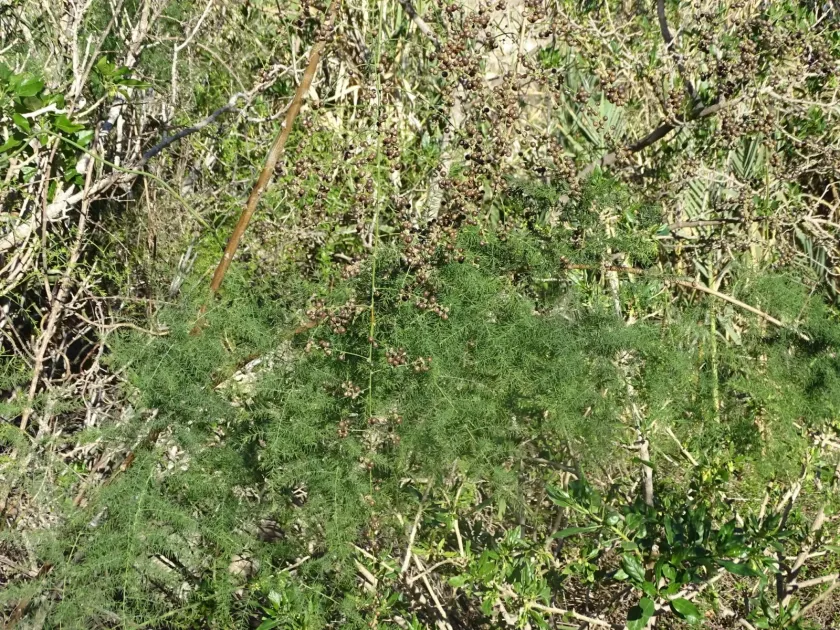
Description
Growing requirements
Asparagus scoparius is a member of the Asparagaceae family, known for its distinct broom-like appearance. It is native to the Canary Islands and is recognized for its adaptation to arid and rocky environmental conditions.
Botanically, the plant is a subshrub featuring highly branched stems and cladodes instead of leaves. This structural adaptation allows the plant to reduce water loss significantly under intense sunlight and high temperatures.
Optimal growth requires well-draining, sandy, or rocky soil. The species is highly sensitive to waterlogging, which can quickly lead to root rot; therefore, soil aeration is a critical factor for successful cultivation.
Climate requirements for this plant include warm temperatures. It is not frost-tolerant and requires protection during colder seasons if grown outside its natural subtropical range, typically kept in greenhouses or containers.
Regarding economic usage, it is primarily valued as an ornamental plant due to its unique architectural form and high drought tolerance. It is often utilized in xeriscaping projects in climates similar to its original habitat.
Main diseases and pests
The primary threats to Asparagus scoparius include fungal pathogens such as Fusarium and Rhizoctonia. These diseases thrive in environments with poor ventilation or high humidity levels around the roots.
Insect pests such as the asparagus beetle (Crioceris) pose a significant threat to the aerial parts of the plant. They feed on the stems, significantly reducing the vigor and decorative quality of the specimen.
Spider mites are a constant concern in controlled indoor environments. They thrive in dry, warm conditions and can quickly colonize the delicate cladodes, leading to stunting and color loss.
Root-knot nematodes can also affect the plant's health, particularly when grown in contaminated soil. These pests cause galling on the roots, which disrupts water and nutrient uptake, leading to slow decline.
Managing these threats requires a proactive approach including sterile potting media, regulated watering schedules to ensure the soil surface dries out, and the application of targeted biological control agents when necessary.