
Asparagus schoberioides
Asparagus schoberioides
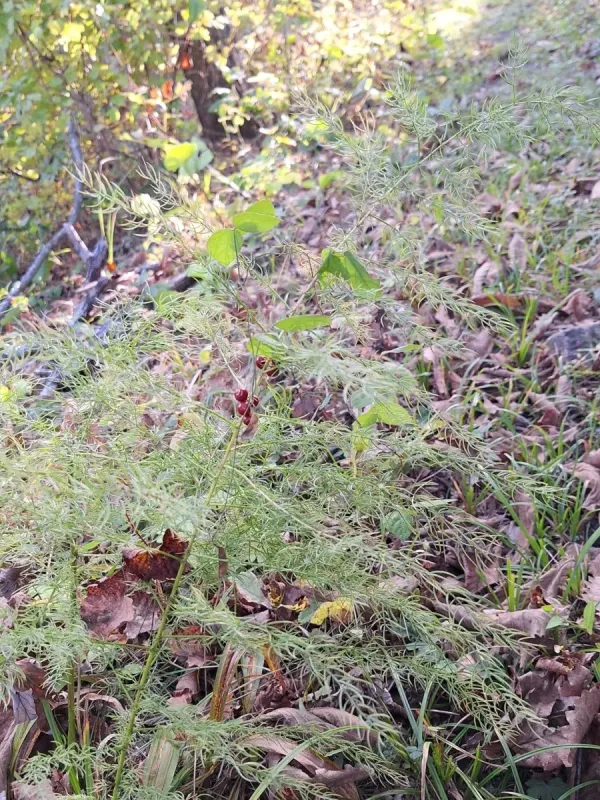
Description
Sowing dates
Asparagus schoberioides belongs to the Asparagaceae family and is a perennial herb native to East Asia. It is primarily valued for its botanical uniqueness and potential in local agricultural systems.
Propagation is typically performed via seeds, which require a cold stratification process to overcome dormancy. Sowing should occur in early spring within controlled nursery environments.
Once seedlings have developed robust root systems, they are transplanted into open fields. It is essential to maintain a distance of approximately 40 to 50 centimeters between plants to ensure adequate airflow.
The establishment phase is critical, requiring steady moisture levels and protection from extreme wind. Plants generally reach sufficient maturity for permanent planting in their second year.
Proper bed preparation, including incorporating compost and organic matter, is necessary to support the vigorous growth of the rhizomes in subsequent years.
Growing requirements
This species thrives in well-drained, fertile soil. Sandy loams are considered ideal, as they allow for the necessary aeration that prevents the root rot common in denser soil types.
Sunlight is a key factor for success. While Asparagus schoberioides can tolerate partial shade, maximum yield is achieved in full sun exposure, which promotes stronger stem development.
Climate adaptability is one of the strengths of this species. It is naturally resistant to cold winters, making it suitable for temperate climate zones where traditional crops might struggle.
Water management is vital; while the plant is somewhat drought-tolerant once established, supplemental irrigation during the spring shoot-emergence period is highly recommended.
Routine maintenance includes mulching to retain soil moisture and regulate soil temperature, which protects the dormant rhizomes during the colder months of the year.
Main diseases and pests
Fungal diseases, specifically Fusarium wilt and rust, represent the primary health risks to the plantation. These issues are often exacerbated by poor field hygiene and high humidity.
The asparagus beetle and the asparagus fly are the most damaging pests. They can tunnel into the shoots, significantly reducing both the vigor of the plant and the quality of the harvest.
To mitigate these threats, integrated pest management (IPM) strategies should be employed, focusing on crop rotation and the removal of infected plant debris after the growing season.
Early detection of symptoms—such as yellowing foliage or abnormal shoot growth—is essential for taking corrective actions before an infestation spreads across the entire field.
Biological control agents and targeted applications of organic-approved pesticides can help maintain population levels of harmful insects below the economic injury threshold.