
Asparagus pseudoscaber
Asparagus pseudoscaber
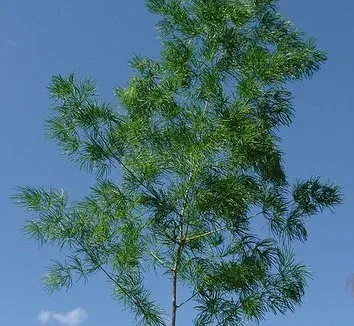
Description
Sowing dates
Asparagus pseudoscaber is a perennial herbaceous plant belonging to the Asparagaceae family. Known for its robust growth habit, this species is highly valued in botanical and agricultural contexts for its ability to establish strong rhizomes over time.
The cultivation process typically begins with either seed sowing or vegetative propagation. Seeds should be sown in early spring once soil temperatures consistently exceed 10–12 degrees Celsius to ensure successful germination.
Due to the hard seed coat, pre-sowing treatments such as soaking in water for 24 hours are highly recommended to enhance germination rates. When direct sowing in the field, seeds are usually planted at a depth of 2 to 3 centimeters.
For those opting for vegetative propagation, dividing the rhizomes is a standard practice. This is performed early in the spring before the buds begin to swell, ensuring that each division has a healthy root system and viable growth buds.
Planting density is crucial for long-term productivity. Providing ample space, usually 1 to 1.5 meters between rows, allows for proper aeration and minimizes the spread of soil-borne pathogens, leading to healthier yields.
Growing requirements
This species thrives in light, well-draining soils with a sandy or loamy texture. It is sensitive to waterlogging, so selecting an site with excellent drainage is paramount for preventing root rot and ensuring plant longevity.
Optimal growth is achieved in sunny locations. Exposure to direct sunlight is vital for the development of strong stems, while shaded areas tend to result in thinner, less productive shoots that lack the desired texture.
Maintaining proper soil pH, ideally between 6.5 and 7.5, is necessary for nutrient uptake. Regular organic matter incorporation, such as well-rotted compost, provides a slow-release nutrient source and improves the physical structure of the soil.
Water management is critical during the initial establishment phase. Once the plant is mature, it shows moderate drought tolerance, but consistent irrigation during the peak growing season significantly improves both yield and quality.
Winter care involves mulching the root zone to protect the plant from extreme temperature fluctuations in regions with harsh winters. This layer of organic matter also helps retain soil moisture as the plant emerges in the spring.
Yield
Patience is required when farming this crop, as the first harvest typically does not occur until the third year after planting. During the initial years, energy allocation is focused on root system development.
Once established, a well-managed plantation can remain productive for 10 to 15 years. Yearly maintenance, including the removal of dead tops after the first frost, is essential to sustain high productivity levels over the long term.
The total yield is highly dependent on environmental conditions and site preparation. High-quality shoots are produced when the plant has ample energy reserves stored in the roots from the previous year's growth.
Selective harvesting is the standard technique, where only the most mature and thickest shoots are removed. This selective approach prevents over-harvesting and allows the plant to continue producing throughout the season.
Post-harvest management is equally important. After the harvest window closes, the plant must be allowed to grow its full foliage to facilitate photosynthesis, which stores nutrients in the rhizome for the following season's crop.
Main diseases and pests
Fungal infections such as Fusarium wilt and rust are the most significant threats to the crop. These pathogens can compromise the entire plantation if left unchecked, making preventative measures essential for sustainable farming.
The asparagus beetle and asparagus fly are common pests that can cause significant damage to young shoots and leaves. Monitoring for larvae and adult activity during the spring is a standard pest management practice.
Crop rotation is a fundamental strategy for disease prevention. Avoid planting Asparagus pseudoscaber in fields previously used for other susceptible crops to reduce the soil pathogen load.
Integrated Pest Management (IPM) should be prioritized, focusing on cultural practices such as timely removal of crop debris and maintaining optimal plant spacing to promote airflow and reduce humidity levels.
- Regular inspection for pest eggs and larvae.
- Application of bio-rational pesticides only when necessary.
- Sanitizing tools between harvests to prevent cross-contamination.
Harvesting
Harvesting is performed in the early morning when the shoots are firm and crisp. Low temperatures at this time minimize water loss, ensuring that the harvested product retains its quality for a longer period.
Each shoot is cut at the base using a sharp, sterilized knife. Great care must be taken to avoid damaging the crown of the plant, as this area is the source of future growth and is highly susceptible to decay.
Immediate cooling is mandatory after harvesting. Moving the shoots into refrigerated storage at 0 to 2 degrees Celsius helps maintain their structural integrity and delays the toughening process known as lignification.
Grading is based on shoot thickness and head compactness. High-grade shoots are uniform in size and free from cosmetic damage, which is essential for meeting market quality standards and consumer expectations.
The use of ventilated packaging ensures that humidity does not build up around the stalks, which would otherwise accelerate spoilage. Efficient logistics from the field to the point of sale are key to maximizing shelf life.