
Asparagus oligoclonos
Asparagus oligoclonos
Description
Sowing dates
Propagation is primarily done via seeds, which require a cold stratification period to break dormancy and ensure uniform germination. Sowing is best timed for early spring.
When starting from seeds, use well-draining seed-starting mix. The seeds should be planted at a depth of approximately 2 centimeters and kept consistently moist until emergence.
Transplanting seedlings to a permanent location should occur after the first year of growth. This allows the root system to become sufficiently established to handle the stress of relocation.
Planting density should provide ample space, ideally 40 to 50 centimeters between individual plants. This spacing encourages airflow and reduces the risk of fungal outbreaks.
The planting site should be prepared with well-rotted organic matter or compost to support root development and improve soil structure for the upcoming years.
Growing requirements
Asparagus oligoclonos is a perennial herbaceous plant belonging to the Asparagaceae family. Unlike common commercial asparagus, this species is typically found in temperate forest zones of East Asia, showing resilience to natural environmental conditions.
The plant thrives in fertile, well-draining soils with a slightly acidic to neutral pH level. It is particularly adapted to locations with partial shade, mimicking its natural habitat beneath a forest canopy.
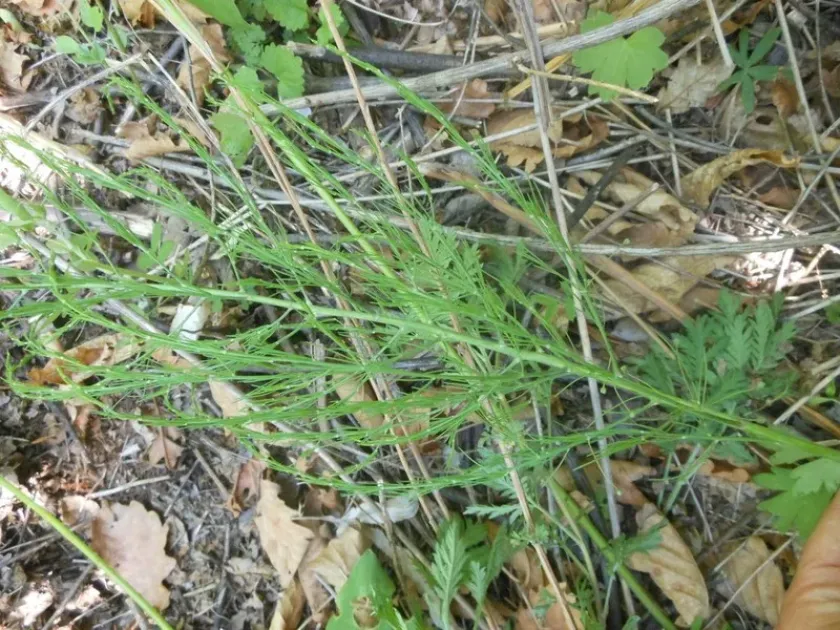
Botanically, it is characterized by a strong rhizome system and thin, upright stems featuring small, sparse cladodes. These structures allow the plant to conduct photosynthesis efficiently in varying light conditions.
Climate requirements for this species include cold winters and moderate summer temperatures. It exhibits significant hardiness, allowing it to survive deep freezes common in its native continental regions.
Adequate moisture is essential during the active growing season, but the root system must be protected from prolonged waterlogging, which can lead to crown rot and reduced plant vigor.
Main diseases and pests
Fungal pathogens such as rust and root rot are the primary threats, especially in areas with high humidity or poor soil drainage. Prevention focuses on site selection and hygiene.
Insect pests, including various types of asparagus beetles, can cause damage to the tender stems. Regular monitoring is necessary to identify infestations before they spread across the plot.
Effective management includes removing dead plant debris at the end of the season, which eliminates potential overwintering sites for both fungi and insect pests.
Integrated pest management, including the use of biological control agents, is preferred to protect the quality of the harvested shoots and the surrounding ecosystem.
Maintaining optimal spacing between plants is crucial, as overcrowding creates microclimates that are highly conducive to the rapid spread of diseases.
Harvesting
The harvest period is delayed until the plants reach maturity, typically 3 to 4 years after initial planting, to ensure the root system is strong enough to support production.
Shoots are harvested by cutting them near the soil surface while they are still firm and before the cladodes begin to unfurl, which indicates a decline in quality.
The harvest season must be kept short to allow the plant enough time to regrow its foliage. This regrowth phase is vital for storing carbohydrates for the next winter cycle.
Post-harvest care involves keeping the shoots in a cool, humid environment to maintain freshness. Proper handling ensures that the delicate flavor and nutrients are preserved.
While primarily of interest to collectors and specialty growers, the shoots are considered a nutritious delicacy when properly prepared using standard culinary methods.