
Macowan's asparagus
Asparagus macowanii
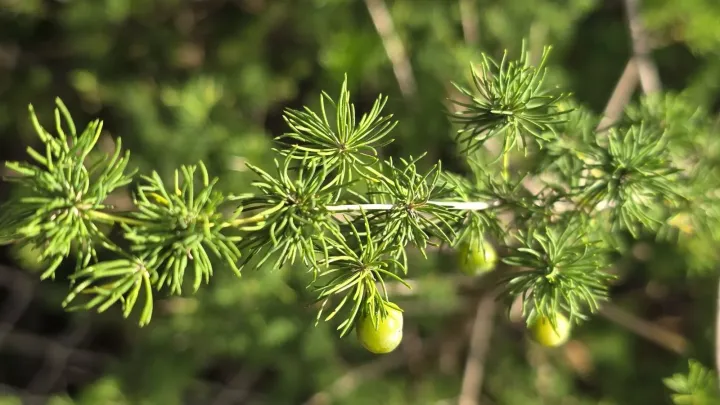
Description
Growing requirements
Macowan's asparagus (Asparagus macowanii) is a perennial herbaceous plant belonging to the Asparagaceae family. This species is native to South Africa, where it has evolved to thrive in specific subtropical environmental conditions.
The plant is distinguished by its unique morphology and dense branching structure, making it a valuable addition to ornamental gardening. Its biological cycle is closely tied to seasonal temperature fluctuations and moisture availability.
To successfully grow this crop, it requires loose, well-draining soil rich in organic matter. Soil pH levels should ideally be slightly acidic to neutral to ensure optimal nutrient uptake by the rhizome system.
Regarding climate, the plant prefers warm, stable temperatures and protection from harsh, drying winds. It performs best in locations that provide plenty of bright, indirect sunlight throughout the growing season.
Agronomic management involves regular monitoring of moisture levels, as the plant does not tolerate waterlogging. Fertilization should be balanced, focusing on nitrogen-rich formulas during the spring to encourage lush green foliage growth.
Main diseases and pests
The primary threats to Asparagus macowanii include root rot diseases, typically induced by species of Fusarium or Pythium. Proper site selection and drainage management are essential to mitigating these risks.
Common pests include aphids and mites that infest the fine, needle-like foliage. Integrated pest management strategies, such as physical removal or eco-friendly insecticidal soaps, are recommended to maintain plant health.