
Aspergillus asparagus
Asparagus aspergillus
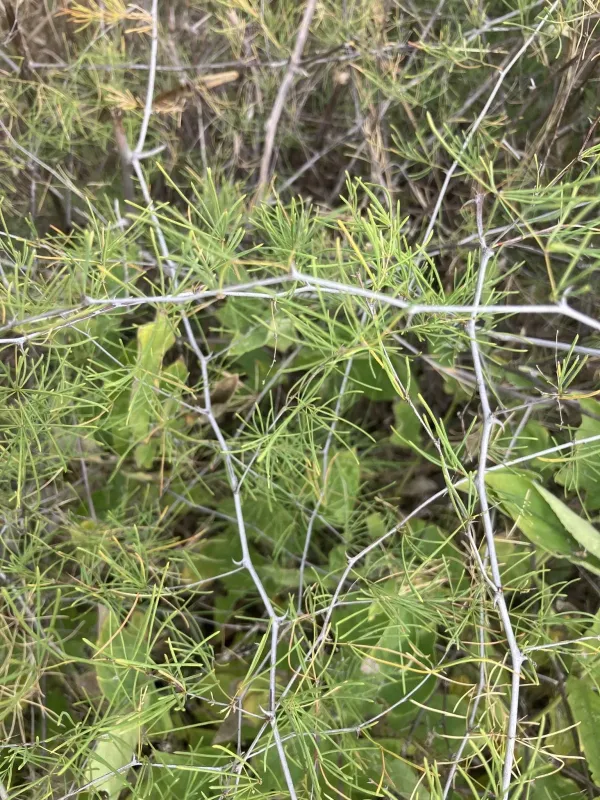
Description
Sowing dates
Propagation of Asparagus aspergillus is typically achieved through seed germination or the division of established rhizomes, common practices for the Asparagaceae family. Seeds are sown in a light, sterile medium in late winter to early spring, ensuring the substrate remains consistently moist but not waterlogged.
It is crucial to place seeds at a shallow depth of about one centimeter to provide necessary access to light, which promotes uniform germination. Using high-quality seed-starting mixes with added perlite ensures proper aeration for the developing roots of the young seedlings.
Once seedlings emerge, they should be moved to a location with bright, indirect light and a temperature range of 18-22 degrees Celsius. Maintaining these conditions is vital to prevent etiolation and ensure the development of sturdy, healthy stalks that will define the plant's future growth.
Transplanting into individual pots occurs after the development of the first true leaves, allowing the root system to strengthen before the plants are moved to their permanent growing sites. Gradual acclimatization to environmental conditions is recommended to reduce transplant shock.
Regular fertilization with balanced nutrients during the vegetative stage promotes robust growth and development of the foliage. Proper spacing during early growth stages also ensures that each plant receives adequate resources for consistent development.
Growing requirements
Asparagus aspergillus, a member of the Asparagaceae family, thrives best in bright, indirect light environments, avoiding direct scorching sun. Proper light exposure is essential for maintaining the unique structure and density of its characteristic stems and cladodes.
The culture prefers well-draining, slightly acidic to neutral soils that provide excellent aeration while retaining necessary moisture. Heavy clay soils that tend to compact or retain excess water are detrimental and should be avoided to prevent root rot issues.
Maintaining a temperature range of 18-25 degrees Celsius is ideal for active growth, while exposure to drastic temperature fluctuations should be minimized. The plant is quite sensitive to cold drafts, which can cause premature yellowing or drying of the tender stems.
Watering frequency should be moderate, allowing the top layer of soil to dry out between sessions to maintain a healthy root environment. In indoor or greenhouse settings, high humidity levels can be maintained through misting or the use of localized humidifiers.
Effective air circulation is a prerequisite for long-term health, as it prevents the buildup of excess humidity and minimizes the risk of fungal infections. Providing sufficient space between individual plants significantly contributes to overall plant vitality.
Main diseases and pests
The primary pests targeting Asparagus aspergillus include spider mites and mealybugs, which tend to proliferate in conditions of low air humidity. Early detection through regular inspections of the stems and leaf nodes is the most effective defense strategy.
Root rot and other fungal diseases are common threats, usually stemming from over-irrigation or inadequate drainage in containerized cultivation. These pathogens can rapidly destroy the root system, leading to the overall collapse of the plant's aerial structures.
Preventative measures include the rigorous disinfection of gardening tools and the adoption of biocontrol agents to manage pest populations naturally. Maintaining proper environmental hygiene and sanitation in the growing area is essential for disease prevention.
If fungal spots or mildew appear, prompt removal of the infected foliage is necessary to contain the spread of the pathogen. Once infected parts are cleared, targeted application of appropriate fungicides may be used according to the manufacturer’s guidelines.
Consistent monitoring and adjusting cultural practices are the best methods to minimize pest and disease pressure. Avoiding overcrowding in the planting area ensures sufficient airflow, significantly lowering the risk of pathogen colonization.