
African asparagus
Asparagus africanus
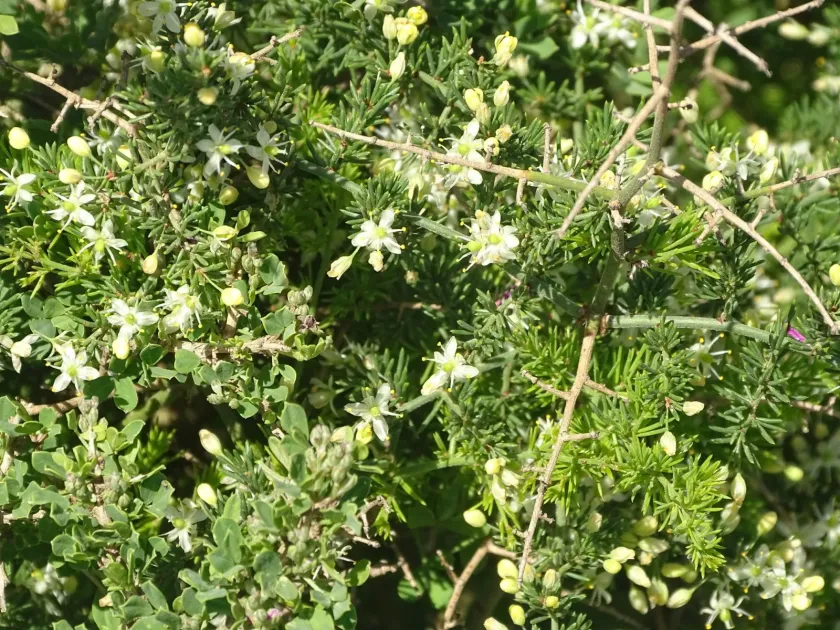
Description
Sowing dates
Asparagus africanus is typically propagated through seeds or division of mature rhizomes. Seeds should be sown in a well-draining, sandy-based medium to prevent damping-off, a common issue with many Asparagaceae species.
The optimal germination temperature ranges between 22 and 25 degrees Celsius. Consistent moisture is crucial, but the substrate must allow for excellent aeration to support early root development.
Starting seeds in nursery trays or pots is highly recommended to manage the plants' initial growth stages. Once the seedlings develop a robust root system, they can be transplanted to a permanent location after the risk of frost passes.
Division of the rhizome is a reliable vegetative propagation method. This process is best performed during the onset of the growing season, which allows the plant to establish itself quickly in new soil.
Proper spacing is vital during planting, as this species develops a vigorous and extensive root system. Giving each plant enough space ensures better air circulation and reduces the risk of fungal diseases.
Growing requirements
As a member of the Asparagaceae family, African asparagus is a hardy, perennial evergreen that thrives in varied environments. It prefers sunny locations but shows significant adaptability to partial shade throughout the day.
The ideal soil for this crop is light, sandy, or loamy with a neutral to slightly acidic pH. Excellent drainage is non-negotiable, as the plant's fleshy roots are susceptible to rotting if left in waterlogged conditions.
Watering should be balanced, providing enough moisture to support growth without causing saturation. During the dry season, the plant displays a remarkable resilience to water stress, though supplemental irrigation will enhance its growth rate.
Temperature requirements for optimal development fall between 18 and 30 degrees Celsius. In regions with colder climates, the plant must be protected from freezing temperatures, as frost can damage the tender stems.
Regular maintenance includes moderate fertilization with balanced NPK formulas during the active growing season. Mulching is also highly beneficial to maintain soil moisture and keep the root zone cool.
Yield
The economic output of African asparagus is primarily focused on its ornamental value, as its lush, green foliage is highly prized in the floral industry. Yield is measured in the volume of harvestable stems produced per plant.
A well-maintained, mature plant can provide a consistent supply of stems throughout the year. The frequency of harvesting directly influences the formation of new, younger shoots.
In some regions, the plant is valued for its pharmacological potential, specifically for the compounds found in its roots. Yield in this context is determined by the total root mass harvested at the end of the growth cycle.
Strategic pruning and regular harvesting act as growth stimulants for the plant. By removing older, less attractive stems, the farmer encourages the plant to allocate more energy toward developing new growth.
Productivity is highest in plants aged three years or older. Providing optimal growing conditions and preventing stress leads to a more robust yield of both foliage and root materials.
Main diseases and pests
The most significant threats to Asparagus africanus are soil-borne diseases, particularly fungal rots like Fusarium. These pathogens often thrive in conditions of poor drainage and excessive irrigation.
Insect pests, including aphids and spider mites, can cause damage by feeding on young shoots. Integrated pest management, involving regular scouting and the use of insecticidal soaps, is effective in maintaining health.
Weeds are a major concern, especially in the initial stages of establishment. They compete for nutrients and light, so maintaining a weed-free zone around each plant is essential for success.
Insects like the asparagus beetle can cause significant leaf damage, weakening the plant's overall vigor. Preventive measures, such as proper spacing and sanitation, are key to preventing large-scale infestations.
If systemic diseases are detected, the affected plants should be promptly removed and destroyed. This prevents the spread of pathogens to the rest of the crop and preserves the longevity of the planting.
Harvesting
Harvesting shoots should be done manually using sharp, disinfected tools to ensure a clean cut. This reduces physical stress on the plant and limits the entry points for potential infections.
For ornamental purposes, stems are cut at the base when they have reached the desired length and color maturity. Careful handling after harvest is vital to keep the foliage fresh for longer periods.
If roots are being harvested, this should be done after the plant has entered a dormancy phase or at the end of its life cycle. Roots should be cleaned and dried properly to preserve their phytochemical integrity.
The harvested product should be stored in a cool, humid environment to avoid dehydration. Rapid transport to market or processing facilities is key to maximizing the quality and commercial value.
Regular harvesting encourages a higher density of stems, ensuring the crop remains productive over multiple seasons. Always leave sufficient foliage to allow the plant to continue photosynthesis.