
Albuca ciliaris
Albuca ciliaris
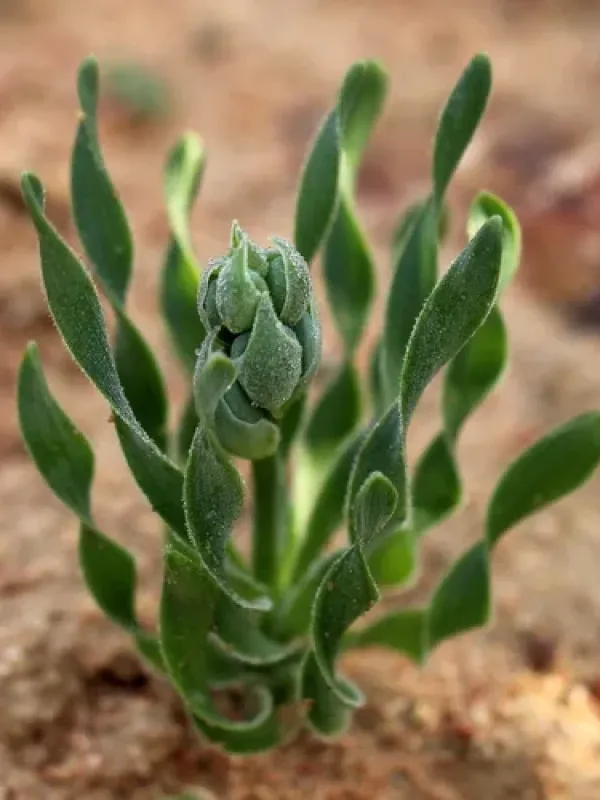
Description
Growing requirements
Albuca ciliaris is a perennial bulbous plant belonging to the Asparagaceae family. Native to the arid regions of Southern Africa, it has evolved to thrive in environments with distinct wet and dry seasons, making it a unique botanical specimen for enthusiasts of xerophytic plants.
The plant is characterized by its narrow leaves with ciliate margins, which give it a distinct aesthetic. Its root system consists of a bulb that stores energy, allowing the plant to remain dormant during the harsh, dry summer months and resume growth when cooler, wetter conditions return.
Regarding soil requirements, Albuca ciliaris demands a highly porous and well-draining substrate. A mix consisting of coarse sand, perlite, and a small portion of organic matter is ideal to prevent the moisture retention that can lead to rot and disease in the root system.
Sunlight is a crucial factor in the successful cultivation of this species. It requires full sun exposure to maintain its compact growth habit and produce healthy flower stalks. Low light levels usually result in etiolation, which weakens the plant's overall vigor and physiological health.
Water management is the most critical aspect of its agronomy. During the active growing season, regular but moderate watering is necessary. Conversely, during the summer dormancy period, water must be withheld almost entirely to mimic the natural arid conditions and prevent bulb degradation.
Main diseases and pests
The most significant threat to Albuca ciliaris is fungal infection, primarily root rot, caused by overwatering or poor drainage. Excess moisture in the soil is the leading cause of plant mortality for this species, as the bulbs are highly susceptible to decay in waterlogged conditions.
Pests such as spider mites and thrips are common in greenhouse environments where air circulation may be restricted. These insects target the foliage, causing stippling, discoloration, and potential loss of photosynthetic efficiency if not addressed with appropriate systemic insecticides.
Mealybugs represent another serious threat, often hiding deep within the leaf axils or near the neck of the bulb. Their presence can severely drain the plant's resources and introduce secondary pathogens that further weaken the host.
Viral infections can occasionally occur, manifesting as mosaic patterns on the leaves or stunted development of the flowering stem. There is no cure for such viruses, necessitating the immediate removal and destruction of affected specimens to protect the rest of the collection.
Integrated pest management, including maintaining strict hygiene, monitoring for early signs of infestation, and ensuring adequate spacing between plants, is the most effective approach to keeping the culture healthy and thriving.