
Albuca canadensis
Albuca canadensis
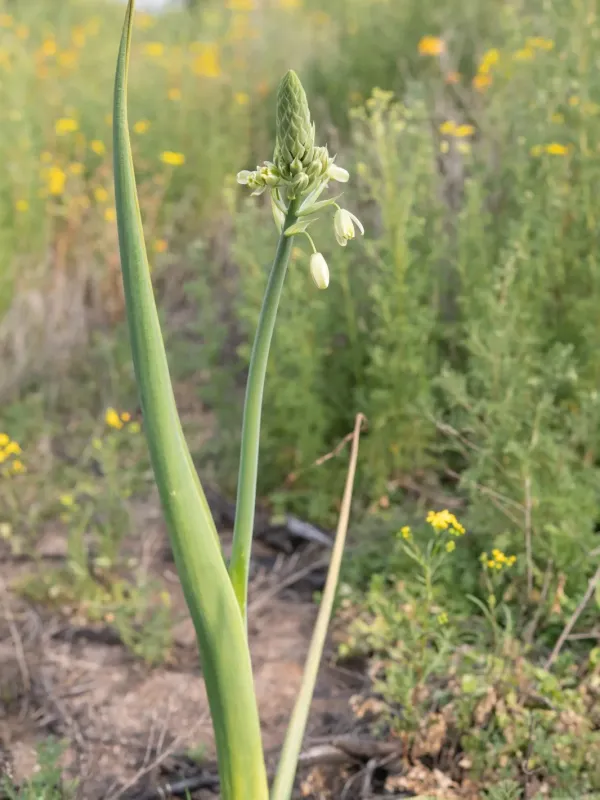
Description
Growing requirements
Albuca canadensis belongs to the Asparagaceae family and is a perennial bulbous plant known for its structural beauty. It is frequently categorized as a succulent due to its ability to thrive in arid environmental conditions.
The natural habitat of this species is located in the southern regions of Africa. Despite its name, the plant is not native to Canada; the misnomer is a result of historical taxonomic classification errors during the colonial era.
Botanically, it features a rounded bulb and elongated foliage that stores water. The plant produces a striking inflorescence consisting of greenish-white flowers that often emit a subtle scent during the blooming period.
The culture requires a well-draining soil medium to prevent root rot. Growers should use a mixture of potting soil, coarse sand, and grit to ensure that water does not remain stagnant around the bulb.
Environmental requirements include high light exposure and careful temperature regulation. It thrives in sunny locations with good ventilation and requires a cool, dry dormant period to trigger future flowering cycles.
Main diseases and pests
The primary threats to Albuca canadensis are typically related to moisture control. Overwatering is the most common mistake, leading to bacterial and fungal rot that destroys the bulb from the inside out.
Spider mites are a common nuisance, particularly in indoor environments with low humidity. They feed on the chlorophyll in the leaves, causing stippling and eventual yellowing of the foliage.
Mealybugs can be problematic, often hiding in the crevices between leaves. If left untreated, they can cause significant sap loss and weaken the plant, making it susceptible to secondary infections.
Aphids occasionally target the tender flower stalks. An infestation at this stage can result in deformed blossoms and the premature abortion of the flower buds before they fully mature.
Management strategies include maintaining strict irrigation protocols and using specific pesticides when necessary. Proper sanitation of the growing area is essential to prevent the spread of fungal pathogens.