
Albuca bruce-bayeri
Albuca bruce-bayeri
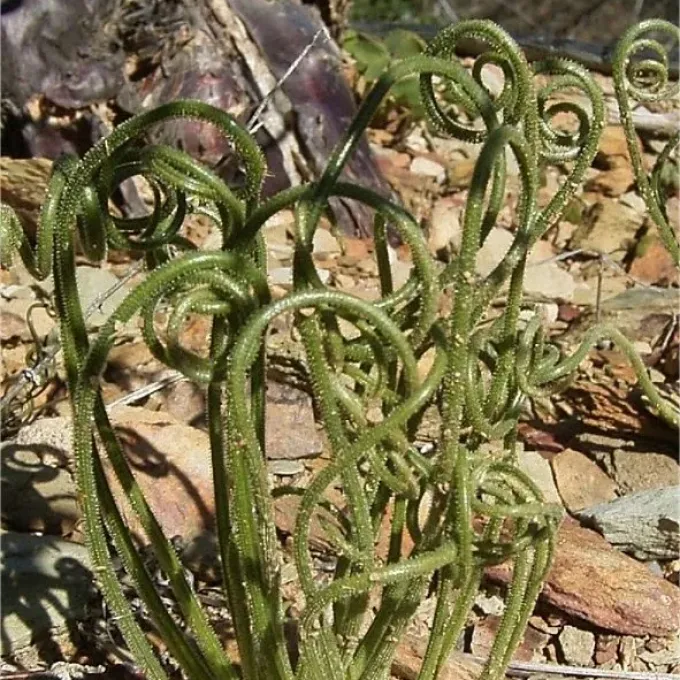
Description
Growing requirements
Albuca bruce-bayeri is a distinct bulbous succulent belonging to the Asparagaceae family. Native to the arid regions of Southern Africa, it has evolved to thrive in environments with seasonal rainfall and intense sunlight.
The plant grows from a perennial bulb, which acts as a primary storage organ for water and nutrients. Its botanical structure is specifically adapted to withstand harsh conditions, making it a popular choice for specialist succulent collectors.
Light intensity is the most critical factor for healthy growth. This species requires bright, direct sunlight for most of the day; otherwise, the foliage will lose its compact shape and structural integrity, becoming overly etiolated.
A well-draining substrate is absolutely essential to mimic the plant's natural habitat. A mix comprising pumice, coarse sand, and a small portion of mineral-rich soil ensures that water does not remain around the bulb.
Managing the dormancy period is crucial for successful cultivation. During this time, the plant should be kept cool and mostly dry, which mimics the natural cycle of the African winter and triggers the bloom cycle in the spring.
Main diseases and pests
The primary threat to the health of Albuca bruce-bayeri is overwatering. Excessive moisture in the soil results in rapid rotting of the root system and the base of the bulb, which is often fatal to the plant.
Pests such as mealybugs can infiltrate the crevices between the succulent leaves. These insects are hard to detect early, so regular inspection of the base of the plant is necessary for successful maintenance.
Spider mites represent a risk, particularly in environments with poor air circulation and low humidity levels. These pests weaken the plant by feeding on its sap, leading to stunted growth and leaf discoloration.
Improper temperature management during dormancy can cause the plant to skip its rest phase. This leads to energy depletion, preventing the bulb from storing enough nutrients for its subsequent growth and flowering period.
When dealing with infestations, it is advisable to use systemic insecticides or neem oil, ensuring that the application does not cause phytotoxic damage to the sensitive leaves of the succulent.