
Albuca bateniana
Albuca bateniana
Description
Growing requirements
Albuca bateniana is a rare bulbous perennial plant belonging to the Asparagaceae family. This species originates from the arid regions of Southern Africa, where it has evolved to thrive in specialized environmental niches characterized by low precipitation and significant diurnal temperature fluctuations.
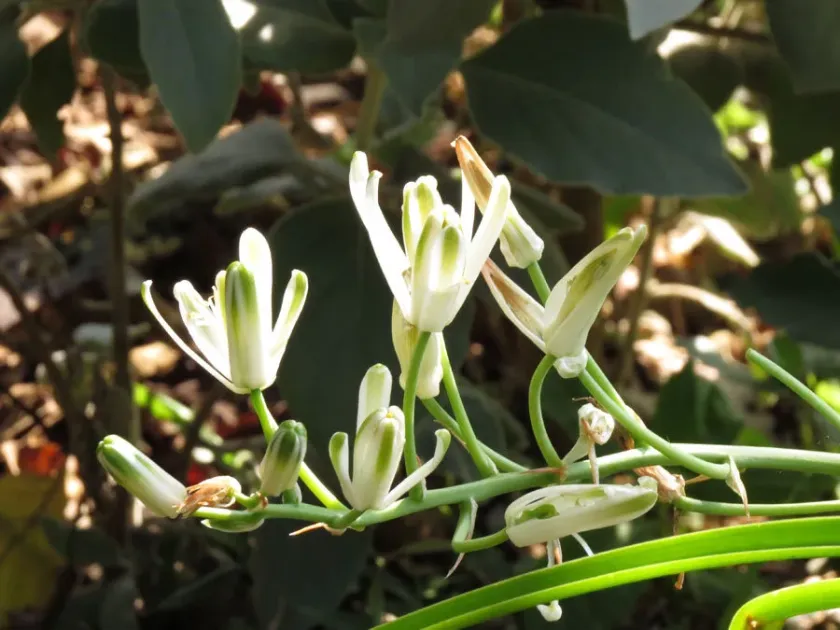
Botanically, the plant is distinguished by its succulent-like leaves and compact bulb, which stores essential nutrients and moisture. The flowers are typically drooping and bell-shaped, emerging on a slender stalk, reflecting the plant's adaptation to attract specific pollinators in its native habitat.
Cultivation requires replicating the dry, sunny conditions of its home range. The plant must be kept in a position with full, direct sunlight during its active growing season to prevent etiolation and ensure the development of robust, healthy foliage.
The substrate must be extremely well-drained and mineral-based. A mixture comprising coarse sand, perlite, and a minimal fraction of loamy soil is optimal. The use of a specialized gritty medium is necessary to prevent the accumulation of moisture, which is the primary cause of root failure.
Watering practices must be strictly linked to the plant's biological cycle. During the growing phase, water should be provided only when the substrate has dried out completely. During the dormant period, water must be withheld to prevent rot, allowing the bulb to remain dry until the next growth cycle begins.
Main diseases and pests
The most significant threat to Albuca bateniana is overwatering, which rapidly induces fungal rot in the basal plate and root system. Once fungal pathogens establish themselves within the bulb, the recovery of the plant is rarely successful.
Pests such as mealybugs and spider mites are common problems in greenhouse or indoor environments. Maintaining optimal air circulation around the plants and performing frequent inspections helps to prevent infestations, ensuring the longevity and health of this rare bulbous specimen.