
Manfreda virginica
Agave virginica
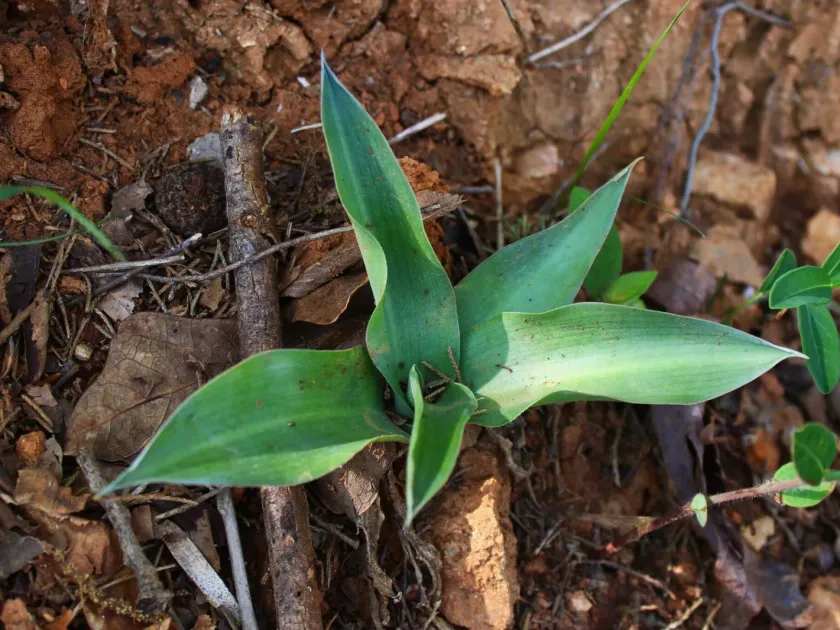
Description
Sowing dates
The propagation of Manfreda virginica is typically performed by sowing seeds in early spring, once the substrate temperature stabilizes at approximately 15°C to 20°C.
Seeds require a period of cold stratification to break dormancy, which ensures a higher germination rate when moving to warmer growing conditions.
The sowing depth must remain very shallow, as the seeds of this species are photoblastic and require light exposure to initiate the germination process effectively.
Using a porous, well-draining seed-starting mix prevents the common issue of damping-off, which is a significant risk for young succulents in humid environments.
Vegetative propagation via offsets is a reliable alternative, allowing for the establishment of genetically identical plants that mature significantly faster than seedlings.
Growing requirements
Manfreda virginica, a member of the Asparagaceae family, thrives in full sun and requires environments that mimic its native rocky, open-woodland habitats.
The soil must be characterized by excellent drainage; heavy clay soils should be amended with grit, sand, or perlite to prevent root asphyxiation and rot.
While the plant exhibits remarkable drought tolerance, consistent moisture during the peak growing season will enhance leaf size and overall plant vigor.
It prefers neutral to slightly alkaline soil conditions and does not require heavy fertilization, as nutrient-rich soils often lead to leggy, weak growth.
Adequate spacing is vital to ensure airflow between individual plants, which reduces the ambient humidity levels and minimizes the risk of leaf-based diseases.
Main diseases and pests
The primary agricultural threats to this crop include fungal infections such as root rot and leaf spot, which are almost exclusively triggered by excess soil moisture.
Pest infestations, particularly by aphids, mealybugs, and scale insects, can weaken the plant by extracting phloem sap and introducing secondary infections.
Proper sanitation practices, including the removal of dead or decaying foliage from the base of the plant, are essential to prevent the buildup of pathogens.
Slugs and snails may target the tender foliage of young plants, necessitating the use of perimeter barriers or targeted control measures in damp settings.
Applying preventative systemic fungicides during periods of unusually high humidity can protect the plants from opportunistic diseases during the transition seasons.
Harvesting
Harvesting for botanical or decorative purposes is best conducted during the dormant phase or late in the growth cycle to maximize the plant's internal stability.
When selecting leaves for medicinal or research extraction, choose the outermost, mature foliage to allow the central heart of the plant to continue growing.
The use of sharp, sanitized blades is mandatory to make clean cuts, thereby minimizing the surface area vulnerable to airborne fungal spores after the harvest.
Seed harvesting should occur only after the seed capsules have turned brown and brittle, indicating that the seeds have reached physiological maturity.
Post-harvest handling involves drying the material in a shaded, well-ventilated area to maintain the integrity of chemical compounds and prevent storage rot.