
Agave univittata
Agave univittata
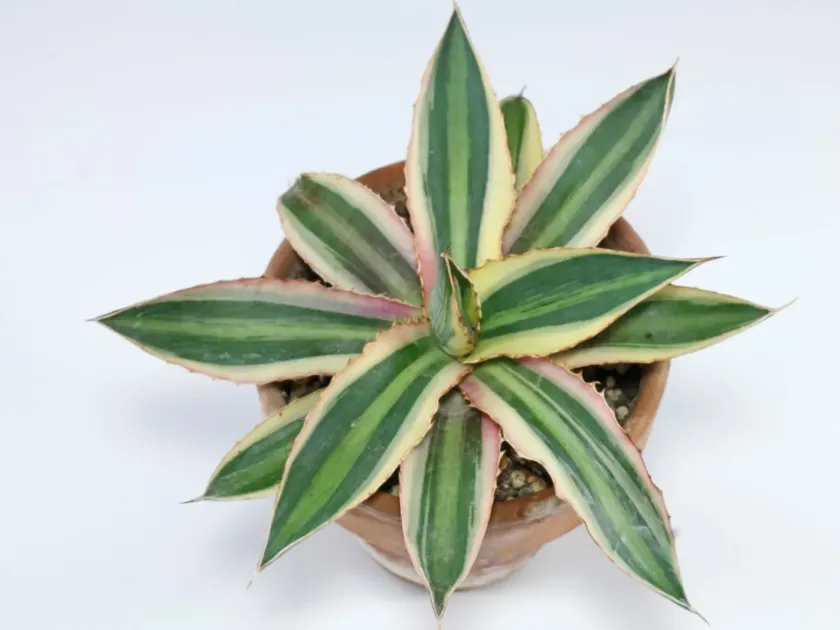
Description
Sowing dates
Propagation of Agave univittata is typically achieved through vegetative offsets, known as pups, which develop around the base of the parent rosette. The optimal time for separation is during the early spring when the plant initiates its annual growth cycle.
After separating the offsets, it is crucial to allow the cut surfaces to callous in a shaded, dry area for several days. This prevents the entry of fungal pathogens when the plant is eventually placed into the growing medium.
Planting should be conducted in a well-draining, sandy-loam substrate. The depth of planting must be managed carefully to ensure the crown remains above the soil line to avoid stem rot.
In large-scale nursery environments, young agaves are started in individual containers to ensure optimal root development before being transferred to their final field locations.
While seed propagation is possible, it is significantly slower and reserved for controlled hybridization. Seeds require consistent warmth and moisture until germination, followed by a gradual shift to desert-like conditions.
Growing requirements
Agave univittata is a member of the Asparagaceae family, perfectly adapted to arid and semi-arid environments. It requires full, direct sun exposure to maintain its structural integrity and leaf coloration throughout the growing season.
The soil profile must be characterized by excellent drainage properties. While the plant can tolerate low-nutrient soils, it is strictly intolerant of waterlogged conditions, which lead to rapid root degradation.
Climate requirements include high daytime temperatures and good air circulation to mitigate fungal risks. The plant possesses a succulent physiology, allowing it to survive extended periods without supplemental irrigation.
Irrigation practices should follow a cycle of deep saturation followed by complete drying of the root zone. During winter dormancy, water supply should be reduced to an absolute minimum to prevent freezing damage.
- Need for high-intensity solar radiation.
- Requirement for coarse, porous, and well-aerated soils.
- High tolerance to drought but low tolerance to humidity.
- Low demand for intensive fertilization.
Main diseases and pests
Root and crown rot represent the most significant threats to Agave univittata production. These diseases are almost exclusively linked to poor drainage and overwatering, emphasizing the importance of site selection.
Insect pests, including scale insects and mealybugs, are frequent challenges. These organisms often cluster in the hidden spaces between leaf bases, making manual removal or systemic insecticides necessary for control.
Thrips and spider mites can cause surface damage to the leaves, leading to scarring and reducing the overall commercial quality of the plant if cultivated for ornamental purposes.
Good agricultural practices, such as maintaining proper spacing between plants, are essential to ensure adequate airflow and reduce the incidence of moisture-related fungal infections.
Integrated pest management (IPM) protocols should be implemented to minimize the use of harsh chemicals while maintaining a healthy environment for the crop to thrive.