
Agave tenuifolia
Agave tenuifolia
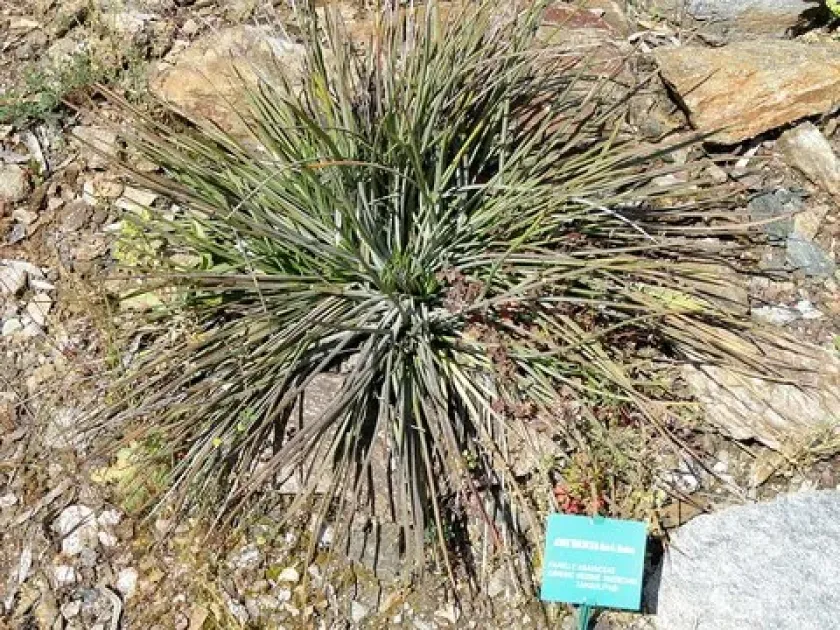
Description
Growing requirements
Agave tenuifolia is a perennial succulent species belonging to the Asparagaceae family. It is characterized by its slender, grass-like leaves and compact rosette form, making it a distinct representative of the genus Agave.
This species is native to arid environments in North and Central America. Its evolutionary history has endowed it with high drought resistance and the ability to thrive in poor, rocky soil compositions where other plants would struggle to survive.
The cultivation of Agave tenuifolia requires well-draining, porous soil, typically a mix of loam, sand, and gravel. It is essential to avoid dense or clay-heavy substrates that trap moisture, as this leads to rapid root system decline.
The plant demands full sun exposure to maintain its structural integrity. Adequate sunlight prevents the etiolation of leaves and encourages a healthy, compact growth pattern that is typical for the species.
Regarding climate, it thrives in warm, arid environments. It is not cold-hardy and should be kept in protected conditions if temperatures approach freezing, as the high water content in the leaves makes it susceptible to tissue damage.
Main diseases and pests
The primary agricultural threat to this crop is root rot caused by stagnant water or excessively humid environmental conditions, which facilitates fungal growth.
Pest pressures primarily include sap-sucking insects like mealybugs and scale insects, which can drastically reduce the plant's vigor if left unmanaged.
In greenhouses, aphids may also occasionally colonize the soft tissue at the center of the rosette, requiring targeted biological or chemical control.
Effective management includes maintaining a dry crown area, as moisture trapped between leaves is a common starting point for decay.
Using systemic insecticides provides the most reliable protection, though applications should be carefully timed to avoid harming pollinators if grown in open spaces.