
Agave stricta
Agave stricta
Description
Growing requirements
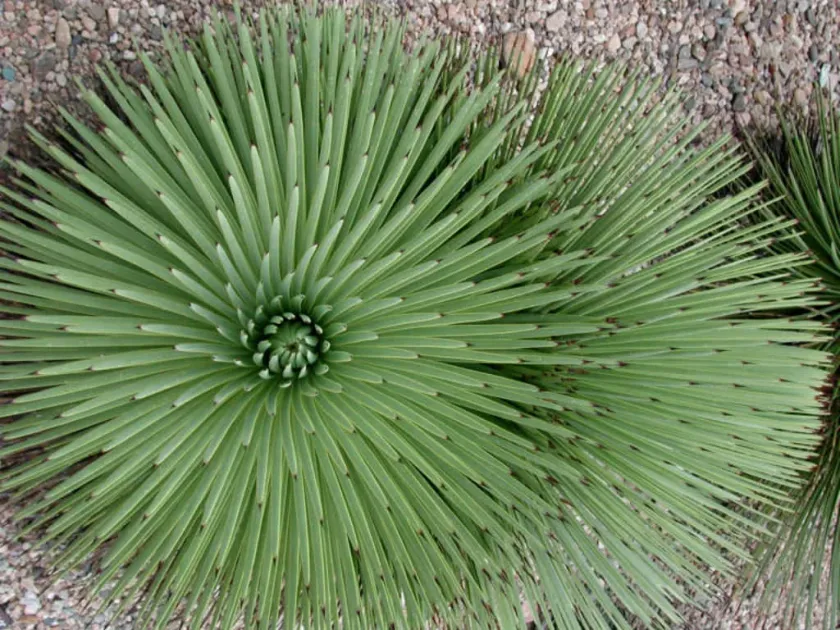
Agave stricta, commonly known as the hedgehog agave, is a perennial succulent belonging to the Asparagaceae family. Native to the arid regions of Puebla and Oaxaca in Mexico, this species is prized for its compact, spherical growth habit.
The plant features numerous narrow, stiff, and sharp-tipped leaves radiating from a central stem. These leaves can vary in shade from deep green to a glaucous blue-grey, contributing to its high ornamental value in xeriscaping.
It thrives under full sun exposure, which is necessary to maintain the plant's characteristic dense rosette structure. Insufficient light levels will inevitably lead to etiolation, where the plant loses its symmetry and becomes weak.
The ideal soil for this species is a highly porous, well-draining mixture consisting of coarse sand, perlite, and small gravel. Proper drainage is essential to prevent moisture retention around the base, which is the primary cause of decline.
Climate requirements include warm temperatures during the growing season and a distinct dry, cool resting period in winter. While it can withstand mild temperature drops, protection from freezing humidity is mandatory for plant longevity.
Main diseases and pests
The most common disease affecting Agave stricta is root rot, typically caused by overwatering or poor drainage. This condition can lead to rapid decay of the vascular system, making it difficult to revive the plant once symptoms appear.
Mealybugs are the most prevalent pest, often found nestled deep within the leaf axils. These sap-sucking insects can severely weaken the plant and serve as vectors for secondary fungal infections.
Scale insects can also infest the leaves, attaching themselves firmly and feeding on the plant's vitality. Early detection through regular inspections of the leaf underside is the best defense against major infestations.
Fungal infections can manifest as black spots or necrotic patches on the leaves. These should be treated with appropriate systemic fungicides and by adjusting the environmental moisture levels to prevent further spread.
Preventative maintenance involves ensuring adequate air circulation around the plants and strictly adhering to a 'soak and dry' watering schedule. This balance effectively keeps the plants healthy and resistant to common pathogens.