
Agave striata
Agave striata
Description
Growing requirements
Agave striata, commonly known as the narrow-leaf agave, belongs to the Asparagaceae family. This species is native to the high-altitude, semi-arid regions of Mexico, where it thrives in rocky terrain.
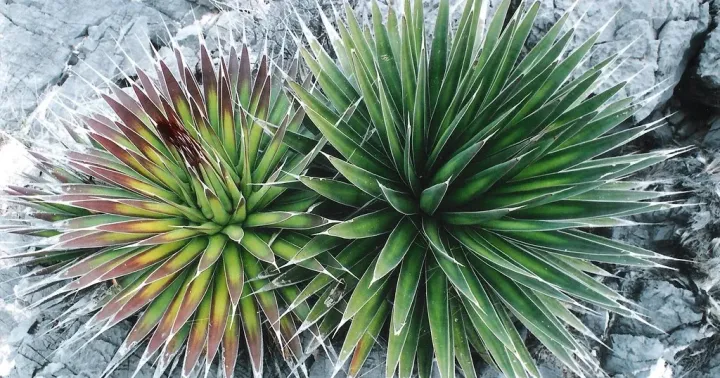
The plant is characterized by a dense, spherical rosette consisting of numerous stiff, linear leaves with sharp tips. Its structure is highly evolved for water storage and survival in harsh environments.
Cultivation requires well-draining, mineral-rich soils. It is essential to ensure that the planting site has excellent drainage, as the species is highly susceptible to root decay if water accumulates.
Agave striata requires full sun exposure to maintain its compact shape and structural integrity. It is considered a drought-tolerant crop once established, needing very little supplemental irrigation.
In modern agriculture, it is managed for both ornamental purposes and potential fiber production, requiring minimal intervention once the plants reach the maturity phase.
Main diseases and pests
The primary threat to Agave striata is fungal root rot, triggered by overwatering or poorly draining soil conditions. This is the most common cause of crop failure in non-native habitats.
The agave snout weevil (Scyphophorus acupunctatus) represents the most serious biological threat. The larvae tunnel into the base of the plant, often leading to rapid collapse of the entire rosette.
Mealybugs and scale insects may also infest the plant, particularly in the leaf axils. These pests suck nutrients from the succulent leaves, resulting in significant vigor loss.
Effective pest management involves strict monitoring of the heart of the rosette for signs of larvae infestation and maintaining clean cultivation practices to reduce overwintering sites.
Chemical control measures should be applied selectively, focusing on contact and systemic insecticides only when infestation thresholds are exceeded to minimize environmental impact.