
Agave sileri
Agave sileri
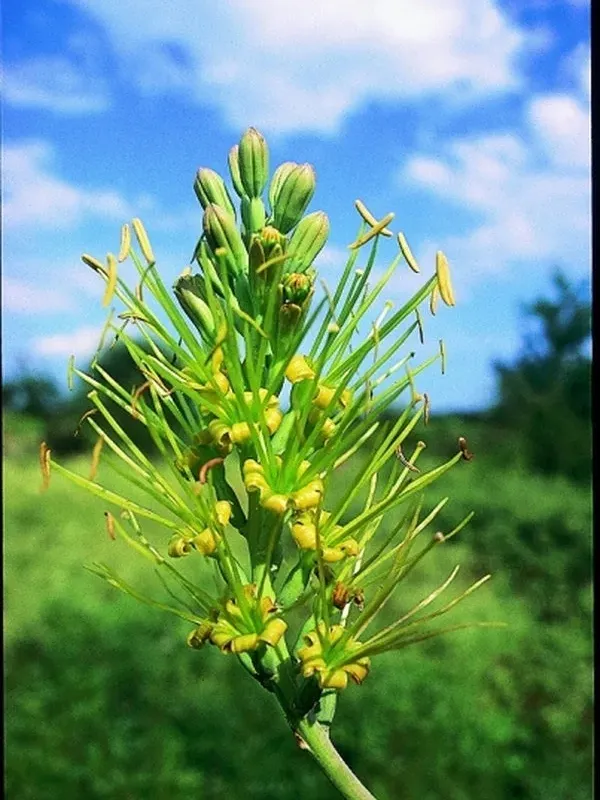
Description
Growing requirements
Agave sileri is a perennial succulent belonging to the Asparagaceae family. This species has evolved to thrive in arid and semi-arid environments, utilizing its specialized metabolism to conserve water efficiently.
The plant thrives in well-draining, sandy, or rocky soils. A critical agronomic requirement is the avoidance of waterlogged conditions, as the root system is highly susceptible to rot if moisture levels remain excessive for prolonged periods.
Agave sileri requires ample exposure to sunlight and warm temperatures, ideally between 20°C and 35°C, to ensure steady growth and the proper development of its structural fibers within the leaves.
Agronomic management involves minimal irrigation, particularly during the establishment phase, as the plant possesses a remarkable capacity to store moisture within its succulent foliage to survive seasonal droughts.
Propagation is typically achieved through vegetative offsets (pups) harvested from the base of the parent plant, which ensures consistent genetics and faster maturation compared to growth from seeds.
Yield
Agave sileri is primarily cultivated for its high-quality fibers. The leaves are rich in durable strands that are harvested for use in rope-making, textile production, and specialized cordage products.
The fibers are valued for their superior tensile strength and natural resistance to decay, making them an excellent sustainable alternative to synthetic materials in marine and construction applications.
Under optimal conditions, plantation yields remain consistent over a long productive lifespan. Harvest cycles usually begin 3 to 5 years after planting, depending on climatic factors and soil quality.
Beyond fiber extraction, the biomass of Agave sileri can be utilized in biofuel production. The sap contains fermentable sugars, which allow for a dual-purpose strategy for the processed plant materials.
Mechanized harvesting and on-site primary processing are essential to maintain high production standards and ensure the economic viability of the operation in challenging terrains.
Main diseases and pests
The most significant agronomic threats to Agave sileri plantations include root and crown rot, which are often triggered by poor site selection or suboptimal soil drainage during the rainy season.
The agave snout weevil is a primary pest of concern. The larvae of this insect feed on the plant's heart tissue, causing rapid structural collapse and the eventual death of the succulent rosette.
Leaf-spot diseases caused by various fungal pathogens can appear if humidity levels remain high for extended periods, negatively impacting the physical integrity of the leaf fibers.
Effective management includes regular monitoring of plant health and the prompt removal of infected plants to prevent the spread of pathogens throughout the nursery or plantation rows.
Integrated pest management, combining biological controls and cautious chemical application, is recommended to preserve the environmental quality of the fiber output and ensure long-term sustainability.