
Agave schidigera
Agave schidigera
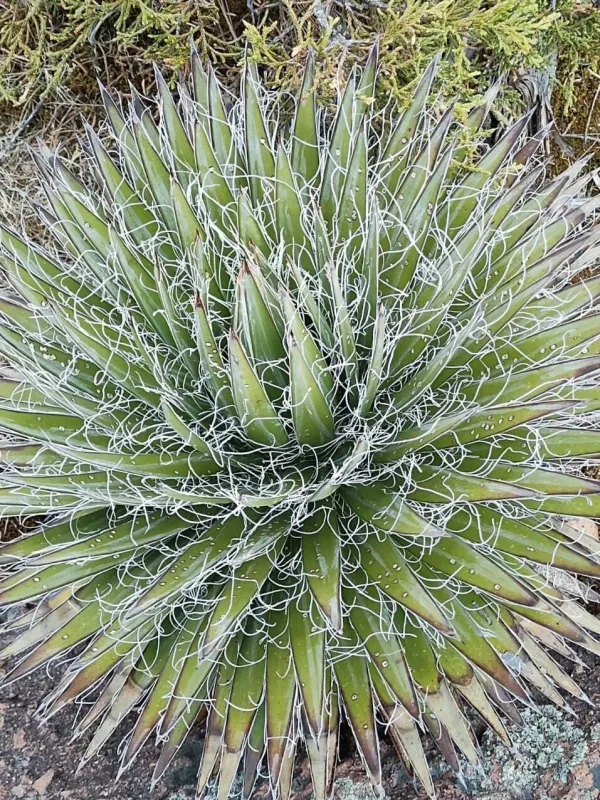
Description
Growing requirements
Agave schidigera belongs to the Asparagaceae family. It is a perennial evergreen succulent that naturally inhabits the arid regions of Mexico and is characterized by its distinct thread-like filaments along the leaf margins.
For successful cultivation, this crop requires well-drained, sandy, or rocky soils with low organic content. The plant is highly sensitive to waterlogging, making proper drainage systems essential to prevent root rot and systemic fungal infections.
Climate preferences include regions with high solar radiation and moderate temperatures. While the crop can tolerate brief cold spells, optimal vegetative growth occurs within a stable temperature range of 20 to 30 degrees Celsius.
Agronomic practices include minimal irrigation during the active growing season and a strict dormant period with little to no watering. Proper planting density is crucial to ensure adequate air circulation and to minimize the risk of pathogen accumulation.
The economic value of Agave schidigera lies in its high-quality plant fibers used in the textile industry and its significant concentration of saponins, which are utilized in pharmaceutical manufacturing and the production of natural surfactants.
Main diseases and pests
The primary threats to commercial plantations include fungal pathogens such as Fusarium and Phytophthora, which proliferate in poorly drained soils.
The agave snout weevil (Scyphophorus acupunctatus) is the most critical pest; it bores into the plant's heart, leading to rapid decline and death of the specimen.
Spider mites can also cause significant damage in hot, arid conditions, necessitating the use of targeted acaricides to protect leaf integrity.
Regular phytosanitary inspections are mandatory to identify early stages of infection, especially in regions prone to sudden weather shifts.
Maintaining a balanced nutrient profile, particularly avoiding excessive nitrogen, helps strengthen the plant's natural cuticle and general resistance to pests.