
Dwarf Agave
Agave pumila
Description
Growing requirements
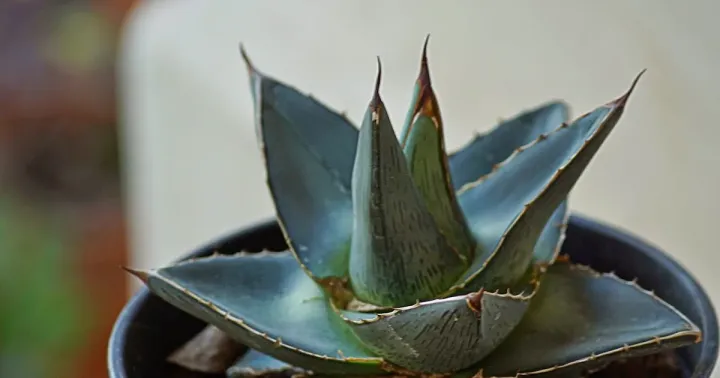
Agave pumila, commonly known as dwarf agave, belongs to the Asparagaceae family. This species is highly valued for its compact size and architectural form, making it a popular choice for xeriscaping.
The plant requires full sun exposure to thrive. In low-light conditions, the agave tends to etiolate, losing its compact shape and becoming susceptible to various physiological disorders.
Soil requirements focus on extreme drainage. A typical mix includes coarse sand, perlite, and a small portion of organic matter. The goal is to ensure that water never sits around the roots.
Temperature management is crucial. Agave pumila performs best in warm, arid environments. During the winter months, it is essential to keep the plant in a cooler area to allow for a dormant phase.
Watering should be approached with caution. As a succulent, it stores moisture in its leaves; therefore, the "soak and dry" method is the most appropriate, preventing any risk of stem rot.
Main diseases and pests
The primary threat to Agave pumila is fungal infection, particularly root rot, caused by overwatering or poorly draining soil. Once the rot reaches the core, the plant is often difficult to save.
Mealybugs are common pests that hide in the tight crevices of the leaf rosettes. They are difficult to detect early, so regular monitoring of the plant's heart is necessary for successful maintenance.
Scale insects can also infest the leaves, feeding on sap and leaving behind a sticky residue. These pests must be treated with horticultural oils or insecticidal soap to prevent further spread.
Spider mites are a nuisance in dry indoor conditions. They cause fine webbing and discoloration of the leaf surfaces, which significantly diminishes the plant's aesthetic value.
Prevention is the best strategy for pest management. Ensuring good air circulation and maintaining proper hydration levels significantly strengthens the plant's natural resistance to infestations.