
Agave potatorum
Agave potatorum
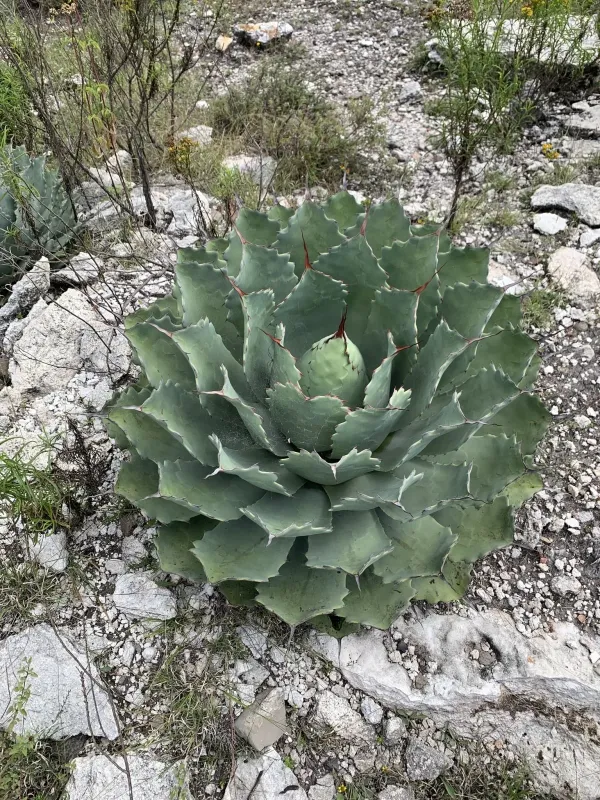
Description
Sowing dates
The propagation of Agave potatorum for agricultural and ornamental purposes is primarily achieved through vegetative offshoots that develop around the base of the mature plant.
These offsets are carefully detached once they are robust enough to establish their own root system in a new, well-draining environment.
Spring is the ideal season for planting or transplanting, as the increasing light levels and warmer temperatures stimulate vigorous root development.
For seeds, a sandy, porous substrate is necessary to prevent damping-off, with consistent warmth between 20-22 degrees Celsius required for successful germination.
Regardless of the method, maintaining a dry environment around the crown of the young plant is essential to prevent rot during the sensitive establishment phase.
Growing requirements
Belonging to the Asparagaceae family, Agave potatorum is native to the arid highlands of Mexico, thriving in rocky and nutrient-poor soils.
This species requires full, direct sunlight throughout the day to maintain its iconic compact rosette shape and to maximize photosynthetic efficiency.
Soil requirements focus on drainage; rocky or sandy loam soils that facilitate rapid water runoff are critical to mimicking the plant's natural desert habitat.
Temperature tolerance is moderate, preferring warm conditions; while it can handle slight dips, it is not cold-hardy and should be protected from freezing.
Watering must be strictly controlled, following a seasonal rhythm that provides moisture during the growing season while ensuring dormancy during winter.
Yield
The economic value of Agave potatorum is driven by its high carbohydrate content, which makes it a preferred species for the artisanal production of mezcal.
Plants take 6 to 10 years to reach maturity, at which point the heart of the plant, known as the 'piña', has accumulated enough fermentable sugars.
Yield is measured by the weight and sugar content of the harvested piña, which varies significantly based on exposure to sunlight and general soil quality.
Proper harvest timing is crucial; the plant must be harvested just before it initiates its massive flowering stalk to ensure maximum sugar levels.
Effective plantation management involves monitoring plant size and overall health to determine the optimal window for harvesting based on regional quality standards.
Main diseases and pests
Fungal infections, primarily root and crown rot, pose the most significant threat to Agave potatorum plantations, especially under conditions of excessive soil moisture.
Pests such as mealybugs and scale insects frequently infest the leaf bases, causing structural damage and opening entry points for secondary pathogens.
Agave weevils represent a critical threat, as their larvae tunnel into the plant's heart, often resulting in complete loss of the individual plant.
Management strategies focus on strict sanitation, regular monitoring for signs of infestation, and ensuring that plants have adequate space for airflow.
Quarantine of new planting material is essential to prevent the introduction of specialized agave pests and diseases into healthy fields.
Harvesting
Harvesting is a manual process that involves trimming all the large leaves to expose the central stem or 'piña', which contains the desired starches.
Sharp, specialized tools are required for this task, allowing the harvester to remove the leaves with precision while leaving the heart intact.
Following harvest, the piñas undergo heat treatment—often in underground pits—to break down complex starches into fermentable sugars.
Timing the harvest is a balance of experience and skill, as the grower must identify the peak metabolic state of the plant before the energy is directed toward flowers.
Prompt logistics are vital, as harvested piñas are highly perishable and must be processed quickly to maintain the integrity of their sugar profile.