
Agave polyacantha
Agave polyacantha
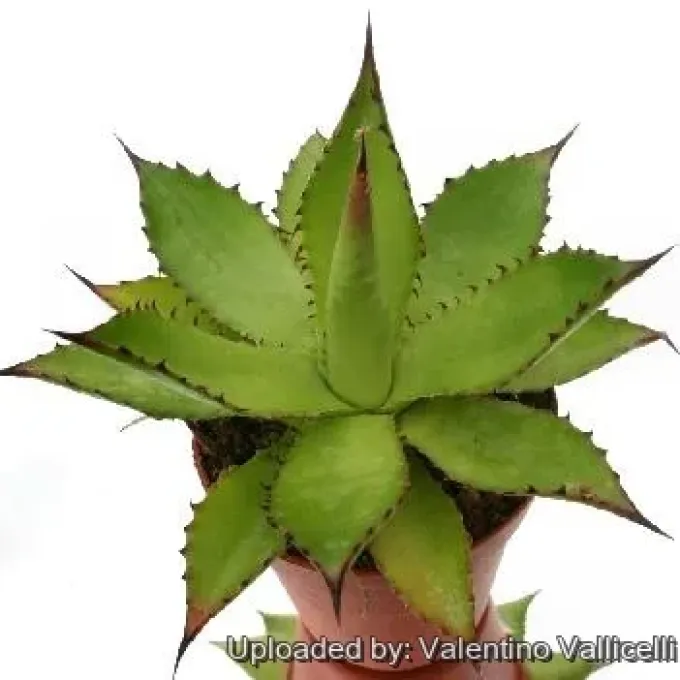
Description
Growing requirements
Agave polyacantha belongs to the Asparagaceae family and is a robust succulent perennial. It is recognized by its dense, rosette-forming structure comprised of thick, fibrous leaves lined with sharp, prominent spines, serving as a defense mechanism in arid environments.
The native habitat of this species is found in the arid regions of Mexico and Central America, where it thrives in rocky or sandy soils. It is highly adapted to intense solar radiation and minimal rainfall, demonstrating high efficiency in water conservation within its specialized leaf tissues.
For successful cultivation, Agave polyacantha requires full sun exposure and well-draining soil to prevent root rot. It is not cold-hardy, necessitating protection from frost and freezing temperatures. In agricultural settings, ensuring a proper soil pH and excellent aeration is critical for optimal growth rates.
The agrotechnical management focuses on minimal irrigation during the dormant season and moderate moisture during the active growth phase. The plant is drought-tolerant, making it an excellent candidate for regions with scarce water resources, where traditional crops would fail to survive.
Industrially, the species is valued for its potential in fiber production, similar to other Agave species, as well as its ornamental use in xeriscaping. Its ability to grow in poor, marginal soils provides an ecological advantage for land reclamation projects in dry tropical areas.
Main diseases and pests
The primary threat to Agave polyacantha is excessive soil moisture, which predisposes the plant to fungal pathogens leading to crown and root rot. Maintaining a dry environment around the base of the rosette is the most effective preventative measure against such infections.
Common pests include mealybugs and scale insects, which prefer the sheltered spots between the base of the leaves. These pests weaken the plant by extracting sap and often lead to the development of secondary bacterial or fungal diseases in the puncture sites.
Pest management relies on integrated control strategies, including periodic inspection of the plants and the use of targeted systemic insecticides when populations reach economic thresholds. Careful handling during maintenance is essential to avoid creating open wounds that facilitate pathogen entry.
In humid or stagnant air conditions, powdery mildew or other leaf-spotting diseases can occur. Improving ventilation and spacing between individual plants can significantly reduce the incidence of these diseases in a field or greenhouse setting.
Sanitation plays a crucial role in disease prevention. Removing dying leaves and clearing debris from the base of the rosette prevents the accumulation of moisture and reduces the habitat for potential pests, ensuring the long-term health of the agave population.