
Phillips' agave
Agave phillipsiana
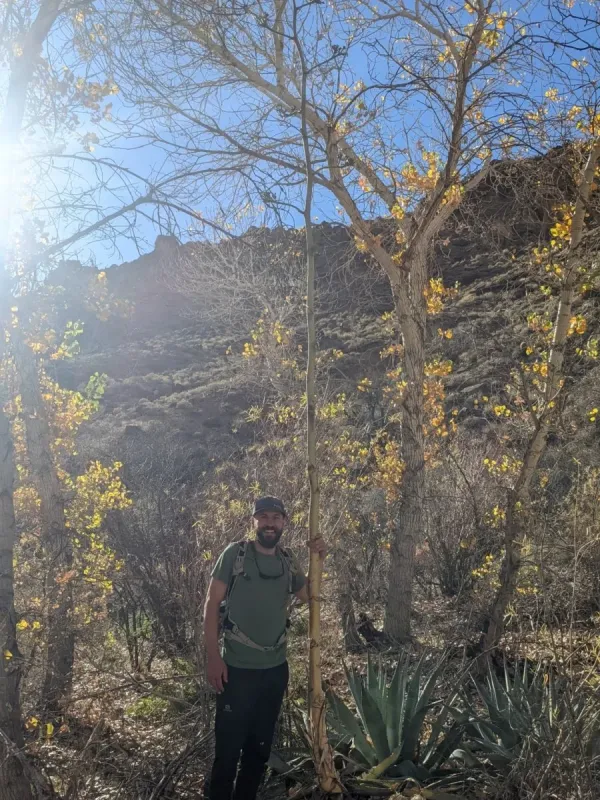
Description
Growing requirements
Agave phillipsiana, commonly known as Phillips' agave, is a distinct succulent species belonging to the Asparagaceae family. Historically, it has been recognized as a domesticated crop by indigenous populations, prized for its robust fibers and utility in arid landscapes.
The crop thrives in well-draining, rocky soil environments that mimic its native habitat in the southwestern United States. It requires full solar exposure to maintain its structural integrity and metabolic health, as it is highly specialized for high-temperature, low-moisture conditions.
Agro-climatological requirements include a dry atmosphere with significant diurnal temperature fluctuations. The plant is remarkably drought-tolerant, but it remains susceptible to root rot if the soil moisture levels exceed the drainage capacity of the planting site.
Agronomic management should prioritize low-intervention techniques. Given its slow-growing nature, the plant requires minimal fertilization, focusing instead on long-term stability and prevention of competition from invasive weeds within the planting area.
Propagation is typically managed through offsets or basal suckers, ensuring the continuity of the parent plant's genetic traits. Proper spacing is essential to ensure adequate airflow, which is critical for the long-term health of the succulent leaf rosettes.
Main diseases and pests
The primary biotic threats to Agave phillipsiana involve various species of rot-inducing fungi that exploit excess moisture in the root zone.
The agave snout weevil poses the most significant insect threat, often causing terminal damage to the center of the plant where growth occurs.
Regular field inspection is vital to identify early signs of infestation, characterized by localized wilting or discoloration of the inner leaf layers.
To maintain plant health, it is recommended to keep the area around the base clean and free of debris that could harbor pests or trap unwanted moisture.
In cases of confirmed pest presence, integrated pest management strategies should be applied promptly to limit the spread within the plantation.