
Agave pendula
Agave pendula
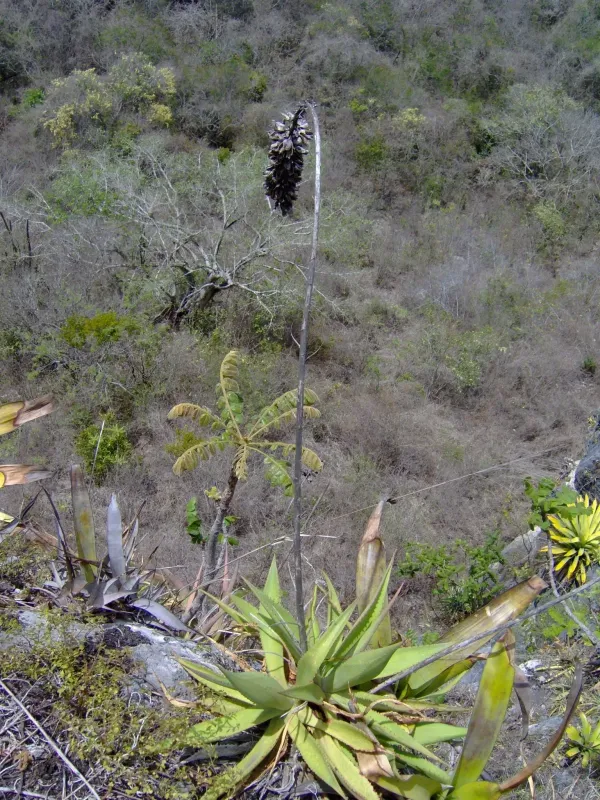
Description
Growing requirements
Agave pendula belongs to the Asparagaceae family and is an evergreen perennial plant native to the tropical regions of Mexico and Central America. It thrives in well-draining, rocky or sandy soils that mimic its natural habitat on hillsides.
The plant requires full sun exposure to maintain its compact form, although it can tolerate partial shade in hotter climates. It is highly drought-tolerant, utilizing its thick, succulent leaves to store water during periods of scarce rainfall.
Botanically, this species is defined by its characteristic drooping leaves, which give the plant its unique pendulous look. The rosette structure is relatively wide, and the plant maintains a moderate growth rate when provided with optimal nutrients.
Agricultural techniques for this crop focus on avoiding root rot by ensuring efficient soil drainage. Irrigation should be infrequent, allowing the substrate to dry out significantly between watering sessions to ensure the long-term health of the root system.
The primary use of Agave pendula is in ornamental horticulture and xeriscaping. Its distinct aesthetic makes it a popular choice for designers looking to create low-maintenance, drought-resistant tropical-themed landscapes.
Main diseases and pests
The most significant threat to Agave pendula is fungal root rot, which typically occurs when the soil remains consistently wet or poorly aerated, creating a breeding ground for pathogenic microorganisms.
Common pests include mealybugs and scale insects, which hide in the tight spaces of the leaf base, extracting sap and weakening the plant's overall structural integrity.
Disease prevention is centered on proper hygiene and site selection. Ensuring that the soil composition provides adequate aeration is the most effective defense against systemic fungal infections.
Pest management involves the application of appropriate horticultural oils or systemic insecticides when an infestation is detected, ensuring that the treatment reaches deep into the leaf crevices.
Regular monitoring of the plant base and foliage is essential for early detection of issues, allowing for rapid intervention before pests can spread to healthy parts of the plant.