
Agave peacockii
Agave peacockii
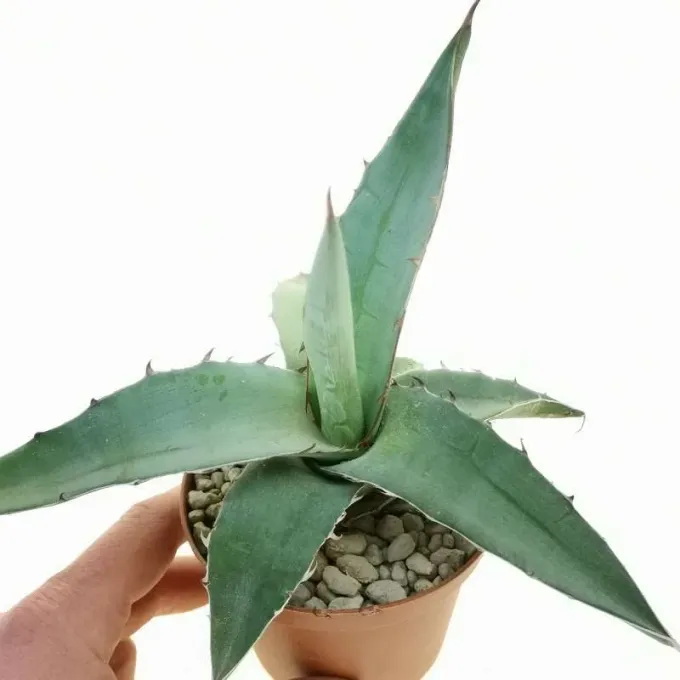
Description
Growing requirements
Agave peacockii belongs to the Asparagaceae family and is recognized as a distinctive succulent species. Native to arid regions of Mexico, this plant has evolved to thrive in rocky, well-draining soils with minimal water availability.
The crop demands full sun exposure to maintain its structural integrity and characteristic blue-grey coloration. Insufficient light levels lead to etiolation and a loss of the compact rosette form typical of healthy specimens.
Soil requirements are centered on excellent drainage. A gritty or sandy mix is essential to prevent moisture retention at the base, which is the primary cause of physiological stress in this species.
Climatic requirements include warm temperatures during the day and cooler nights, simulating its natural habitat. It performs best in environments where temperatures range from 20°C to 30°C during the active growth period.
Cultivation practices necessitate a strict irrigation regime. Water should only be applied when the substrate is completely dry to the touch, and supplemental fertilization should be limited to the early growing season with a low-nitrogen formula.
Main diseases and pests
The primary threats to Agave peacockii are linked to improper irrigation and lack of airflow, which trigger fungal infections. Root rot and stem rot caused by waterlogging are the most frequent causes of mortality in cultivated plants.
Common insect pests include mealybugs, which hide in the leaf axils and feed on the plant's sap. Their presence often leads to stunted growth and the development of sooty mold on the leaf surfaces.
Spider mites can also become problematic under hot, dry conditions with poor ventilation. Regular inspection is required to catch infestations before they cause significant aesthetic or structural damage.
Management strategies involve the use of systemic insecticides specifically labeled for succulent crops. Biological control or neem oil applications may also be effective for minor infestations when applied consistently.
Preventive measures remain the most effective strategy. By maintaining optimal soil porosity and ensuring that the plant rosette remains dry, growers can effectively reduce the risk of disease and ensure healthy development.