
Agave parryi
Agave parryi
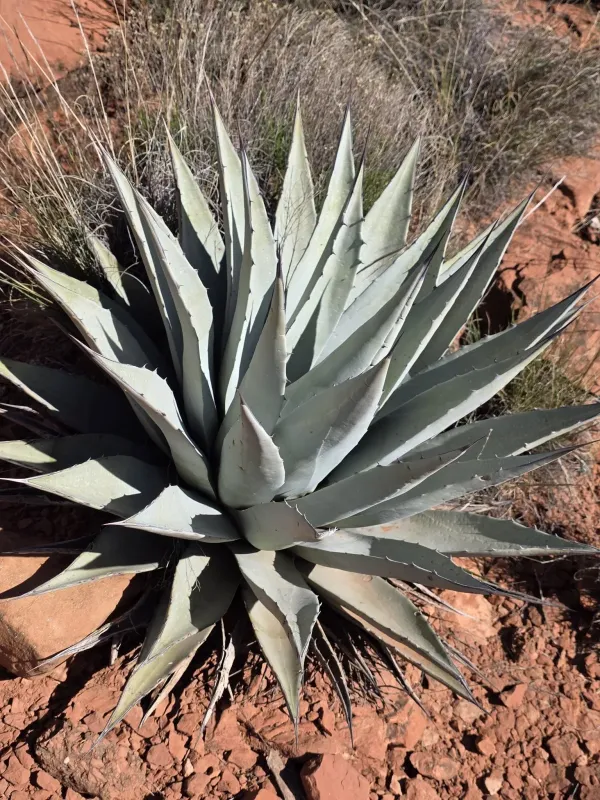
Description
Sowing dates
Propagation of Agave parryi is typically achieved through seeds or by separating offsets produced by the parent plant. Seeds are sown in well-draining, sandy substrates with optimal temperatures between 20-25 degrees Celsius.
In temperate zones, indoor sowing in greenhouses is required, while in arid, warmer regions, direct sowing in prepared beds is possible during the spring months.
Seeds should be covered only lightly with sand to allow enough light for germination while maintaining consistent, low-level soil moisture.
Seedlings require a gradual acclimatization period before being transferred to outdoor environments to prevent shock from direct sunlight or temperature drops.
Using offsets is a more reliable method for commercial production, as it ensures genetic consistency and significantly reduces the maturation timeline for the crop.
Growing requirements
Agave parryi belongs to the Asparagaceae family and is highly regarded for its cold hardiness, surviving temperatures as low as -15 degrees Celsius in well-drained soils.
Full sun exposure is a mandatory requirement for this plant; insufficient light leads to etiolation and structural weakness of the succulent rosette.
The soil must be inorganic, sandy, or rocky, with high permeability. Any water stagnation in the root zone is likely to cause fungal rot and plant failure.
Being a drought-tolerant xerophyte, it requires minimal irrigation once established, needing water only during extended periods of intense drought or active growth.
Excellent air circulation around the rosette is essential, especially in high-humidity climates, to prevent the buildup of moisture that promotes disease.
Yield
The economic value of Agave parryi is derived from the accumulation of carbohydrates in its heart and the fibrous structure of its leaves used for various industrial applications.
Commercial harvesting is usually planned when the plant reaches maturity, typically between 8 and 12 years, depending on environmental growth rates.
Yield metrics focus on the weight of the harvested heart, which serves as a raw material for syrup production, fermented beverages, or food-grade starches.
Leaf biomass is also processed to extract strong fibers, traditionally used in cordage, textiles, and specialized landscape materials.
High planting density is key to maximizing field output, provided that space and nutrient availability are managed according to agricultural best practices.
Main diseases and pests
Fungal pathogens are the primary concern, often triggered by overwatering or soil conditions that prevent adequate drainage and root aeration.
The agave snout weevil (Scyphophorus acupunctatus) is a devastating pest that bores into the crown, often causing total plant collapse before infestation is detected.
Mealybugs and scale insects may infest leaf axils, sucking sap and weakening the plant, which may invite secondary infections by bacteria or fungi.
Integrated pest management, including regular inspection of the crown and the use of targeted systemic insecticides, is necessary to protect plantations.
- Regular checking for boreholes in the plant base.
- Ensuring dry conditions during the winter dormancy period.
- Prompt removal and disposal of infected plant material.
Harvesting
Harvesting involves the manual removal of outer leaves to reveal the central heart, followed by cutting the base of the plant from its root system.
Timing the harvest is critical; it must occur just before the plant begins to develop its massive flowering stalk to ensure maximum sugar content.
The harvested product is cleaned of debris and leaf remnants immediately to prevent premature oxidation and contamination of the raw material.
Industrial processing facilities must be located within a short distance from the harvest site to maintain the freshness and chemical integrity of the extracted sap.
Proper harvest technique ensures that the quality of the raw material meets industrial standards for processing into high-value food or fiber products.