
Agave parrasana
Agave parrasana
Description
Growing requirements
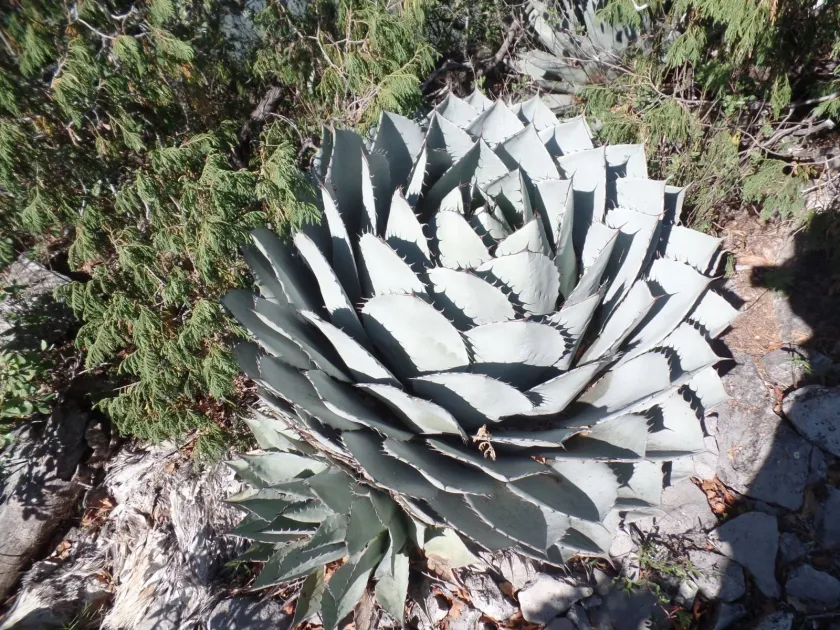
Agave parrasana, commonly known as Cabbage Head Agave, is a distinctive succulent from the Asparagaceae family. This species is native to the high-altitude regions of Coahuila, Mexico, where it thrives in rocky, well-draining environments.
To cultivate this plant successfully, one must ensure full sun exposure. It requires bright, direct light to maintain its compact, symmetrical rosette shape and to develop the intense glaucous blue-grey color characteristic of the species.
The soil requirements are strict: the medium must have excellent drainage. A mix comprising coarse sand, crushed gravel, or pumice is essential to prevent water accumulation. This mimicking of its natural rocky habitat prevents root rot effectively.
Agave parrasana is prized for its cold hardiness compared to other desert agave species, surviving in diverse mountainous climates. During the growing season, it prefers warm temperatures and thrives with good air circulation.
Watering practices should follow the dry-soak method. During the active growing period, water deeply but allow the soil to dry out completely before the next irrigation. In winter, reduce watering significantly to minimize stress and prevent fungal issues.
Main diseases and pests
The primary threats to Agave parrasana are related to moisture management. Overwatering in poorly draining soil quickly leads to crown and root rot, caused by fungal pathogens such as Fusarium species, which can be fatal to the plant.
Mealybugs represent the most significant pest concern. These small white insects hide in the dense, tightly packed leaf bases, making them difficult to detect until the plant's health begins to decline noticeably due to sap loss.
Scale insects are also known to infest the foliage, appearing as small, hardened bumps on the surface of the leaves. Left untreated, they can spread rapidly across the plant, weakening its natural defense systems.
Root aphids pose a hidden danger, often colonizing the root system and stunting the overall growth of the plant. If an agave shows signs of distress despite proper watering, an inspection of the root zone is highly recommended.
Prevention is the best strategy against pests and diseases. This includes quarantine for new plants, keeping the crown free of debris, and ensuring the foliage remains dry to discourage mold development and pest colonization.