
Ovate-leaf agave
Agave ovatifolia
Description
Growing requirements
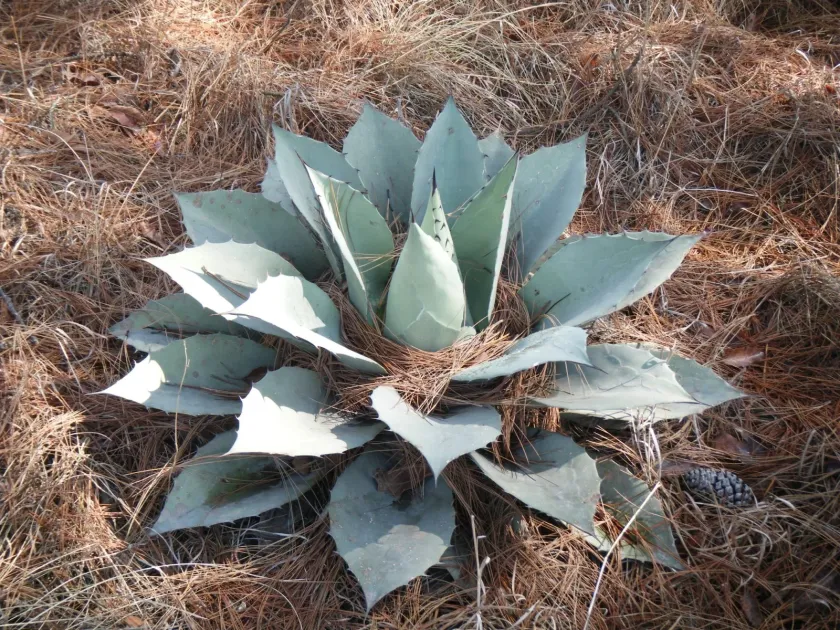
The ovate-leaf agave (Agave ovatifolia) is a member of the Asparagaceae family. This large, slow-growing succulent is native to the high-altitude mountain regions of northeastern Mexico. It is widely recognized for its beautiful, broad, ovate leaves that form a symmetrical, massive rosette with a stunning powder-blue color.
To thrive, this crop requires exceptionally well-drained, gritty, or sandy soils. Soil aeration is critical, as stagnant moisture around the roots will inevitably lead to rot. The plant is highly tolerant of intense solar radiation, making it an ideal choice for arid and semi-arid environments where high temperatures persist.
One of the most notable agrotechnical features of Agave ovatifolia is its tolerance to cold compared to other agave species. It can withstand temperatures as low as -10°C to -12°C if kept in relatively dry soil conditions. This makes it suitable for outdoor cultivation in zones that experience mild winter freezes.
Agrotechnical management should focus on providing enough space for the plant to mature, as a single rosette can easily expand to 2 meters in diameter. Planting sites should be selected based on sun exposure, and minimal interference with the natural growth habit of the plant is recommended to maintain its desired form.
Economically and horticulturally, this agave is used primarily for ornamental purposes. It is a staple in xeriscaping, desert-themed gardens, and contemporary landscape designs that prioritize water efficiency and high visual impact. It is also grown as a container plant for patios where soil drainage can be easily controlled.
Main diseases and pests
The primary threat to the health of the plant is root rot caused by poor soil drainage or excessive irrigation during the dormant winter season. Ensuring that the soil completely dries out between watering intervals is the most effective preventative measure against fungal development.
Regarding pest management, growers should watch for mealybugs and spider mites, which can accumulate in the axils of the leaves. Regular inspection and the application of horticultural oils or appropriate systemic pesticides are standard practices for maintaining a pest-free collection.