
Agave oroensis
Agave oroensis
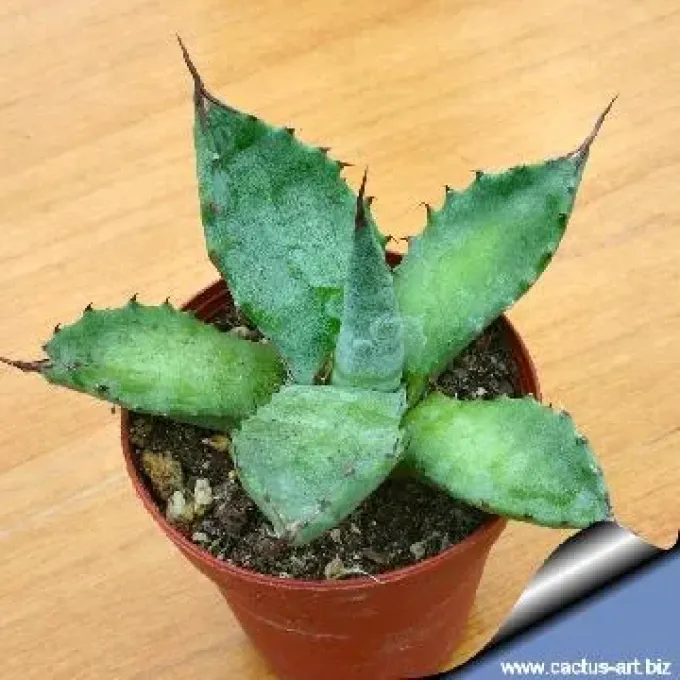
Description
Growing requirements
Agave oroensis is a perennial succulent species belonging to the Asparagaceae family. Originating from the arid regions of Central America, this plant is well-adapted to high-temperature environments and has a unique physiological structure that allows it to store significant amounts of water.
The cultivation of this species requires well-draining soils with a coarse texture, such as sandy or rocky substrates. Poor drainage is the most significant limiting factor for Agave oroensis, as it leads to root rot and failure of the crop in its early stages of development.
Climatic requirements are centered on high solar radiation and stable, warm temperatures. While it exhibits remarkable drought tolerance, consistent growth is achieved when there is a moderate amount of seasonal precipitation followed by dry intervals that promote the accumulation of fibers and sugars.
Agronomic practices involve deep tilling to improve soil aeration and the implementation of planting patterns that maximize space efficiency. Proper spacing is critical to ensure that each plant receives adequate light and air circulation, which prevents the development of localized humidity issues.
The economic value of Agave oroensis lies in its dual-use potential: the harvesting of fibers for textile production and the utilization of leaf sugars for biomass or specialty product manufacturing. It is considered an efficient crop for sustainable agricultural systems in desert or semi-arid regions.
Main diseases and pests
Root rot is the primary physiological disorder affecting Agave oroensis, usually triggered by excessive irrigation or poor soil structure. Maintaining a dry neck area of the plant is vital to prevent fungal pathogens from invading the crown of the agave.
The agave snout weevil remains the most serious biological threat to this species. Its larvae bore into the core of the plant, often causing irreversible structural damage, which necessitates proactive monitoring and the application of integrated pest management strategies.
Fungal leaf spot diseases may occur when environmental conditions involve prolonged periods of high humidity and lack of ventilation. Implementing proper plant spacing and applying preventative fungicides in vulnerable stages of growth are standard protection measures.
Pests like mealybugs can infest the succulent leaves, causing stunting and providing entry points for secondary bacterial infections. These pests thrive in protected, sheltered spots between the leaves and require targeted treatment if infestations exceed acceptable thresholds.
Effective crop protection also requires strict adherence to hygiene standards during harvest to prevent the spread of soil-borne pathogens. Removing plant debris from the field after pruning helps maintain the overall health and productivity of the plantation.