
Agave obscura
Agave obscura
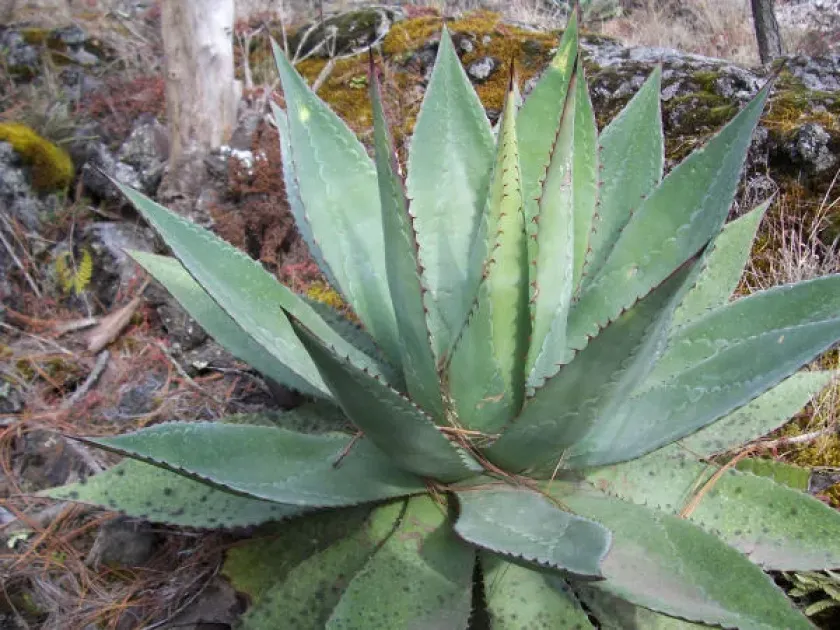
Description
Sowing dates
Agave obscura is a perennial succulent, and its propagation in cultivation is most commonly achieved through vegetative methods. The separation of offsets, or 'pups', which form at the base of the parent plant, is carried out during the active growing season.
Seed propagation is used less frequently as it requires strict adherence to temperature regimes and specific substrate moisture. Seeds are sown in a loose, well-draining soil mix in early spring.
To ensure successful rooting of young plants, it is necessary to maintain a stable temperature range of 20–25 degrees Celsius. It is crucial to avoid soil waterlogging, which rapidly leads to root system rot.
When propagating vegetatively, new rosettes should be air-dried for several days before planting. This practice prevents soil-borne pathogens from infecting the cut area.
The optimal time for the beginning of active growth and root system formation falls in the second half of spring. During this period, the plant is most receptive to proper irrigation schedules and nutrient application.
Growing requirements
This culture belongs to the Asparagaceae family and has high demands for solar exposure. For full development, Agave obscura requires at least 6–8 hours of direct sunlight per day.
Soils used for cultivation must possess excellent water permeability and aeration. Sandy or rocky substrates with a neutral to slightly alkaline pH are considered ideal.
The plant is extremely sensitive to excess moisture in the root zone. Fungal infections develop rapidly under waterlogged conditions, making a high-quality drainage layer an essential requirement.
The temperature optimum for this crop lies between 18 and 30 degrees Celsius. During the winter season, the plant requires dry conditions and lower temperatures to stimulate nutrient accumulation.
Irrigation should be moderate and strictly measured, especially during the dormancy phase. Mineral fertilizers should be applied sparingly, using specialized cactus and succulent formulas with low nitrogen content.
Main diseases and pests
The primary threat to Agave obscura is root rot caused by improper irrigation practices. Pathogenic fungi of the Fusarium genus quickly attack the tissues when the soil remains too wet.
Among pests, scale insects and mealybugs cause the most significant damage by feeding on leaf cell sap. Their infestation is often associated with dry air and poor cultural management.
Spider mites can proliferate rapidly on the plant under conditions of high temperature and low humidity. Regular inspection of leaf surfaces allows for the early detection of infestation sites.
Specialized systemic insecticides are used for pest control. Traditional methods are largely ineffective due to the thick waxy cuticle that covers the plant's leaves.
Disease prevention consists of ensuring constant air circulation and avoiding contact between foliage and water during irrigation. Maintaining the correct microclimate is the best form of crop protection.