
Agave nickelsiae
Agave nickelsiae
Description
Growing requirements
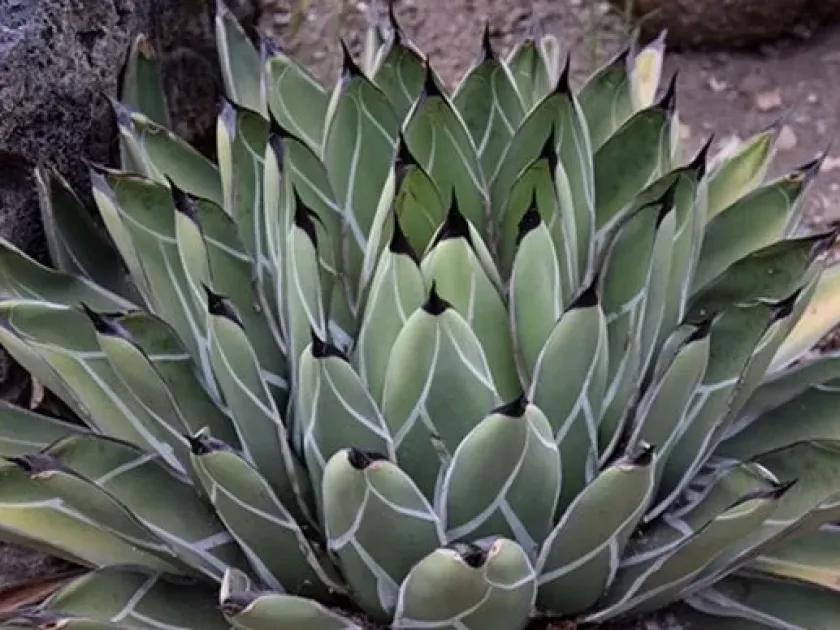
Agave nickelsiae is a perennial succulent belonging to the Asparagaceae family, native to the arid rocky regions of Coahuila and Nuevo Leon in Mexico. It is widely recognized for its compact, symmetrical rosette of foliage which is often edged with fine white, papery margins.
This species requires high levels of solar radiation to maintain its compact habit and vibrant coloration. When grown in non-native climates, it is essential to provide full sun exposure, either in a greenhouse environment or in a very bright, sunny indoor location.
The soil structure must be highly inorganic, prioritizing excellent drainage to prevent root asphyxiation. A common cultivation practice is using a mix of coarse sand, perlite, and decomposed granite, ensuring water flows through the medium quickly without leaving the roots in mud.
Cultivation protocols emphasize the importance of deep, infrequent watering during the growing season, followed by a total reduction of irrigation during the dormancy period in winter. Proper airflow around the foliage prevents moisture from getting trapped in the center of the rosette.
Agave nickelsiae serves primarily as a decorative specimen in xeriscaping, rock gardens, and specialized succulent collections. Its slow growth rate makes it a low-maintenance, long-lived addition to landscapes where water conservation is a priority.
Main diseases and pests
The most significant threat to the health of Agave nickelsiae is fungal and bacterial rot, which is almost exclusively caused by overwatering or inadequate soil aeration. Once root rot sets in, it is often difficult to reverse, making prevention the best strategy.
Mealybugs are the most common insect pests encountered in cultivation. They congregate in the tight crevices between leaves, where they are shielded from most physical contact, necessitating the use of systemic insecticides for effective control.
Scale insects can also infest the leaves, causing localized yellowing and stunted growth. Regular inspection of the undersides and margins of the leaves is crucial for early detection and removal of these persistent pests.
Environmental stress, such as sudden exposure to intense UV light after long periods of winter shade, can lead to leaf scorching. While these marks are permanent, they do not necessarily kill the plant, though they significantly detract from its ornamental value.
Effective management includes maintaining a clean growing area, removing old debris from the pot surface, and ensuring the plant is never left sitting in stagnant water during any season of the year.