
Agave neglecta
Agave neglecta
Description
Growing requirements
Agave neglecta is a notable member of the Asparagaceae family, known primarily for its utility as a fiber-yielding crop. This perennial succulent species is native to regions of North America, particularly adapted to arid and semi-arid environments where it thrives on minimal moisture.
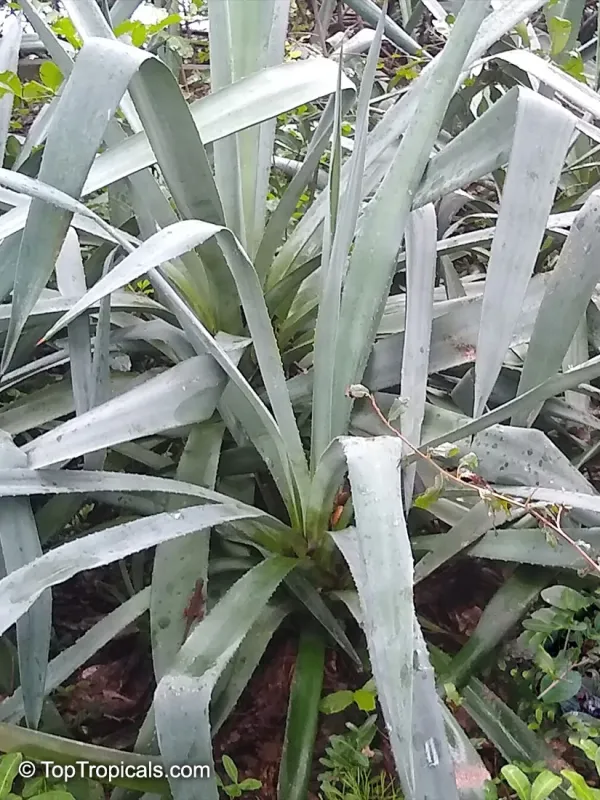
The plant features a large rosette of stiff, succulent leaves that are highly efficient at water storage. The leaf surface is protected by a thick, waxy cuticle, which acts as a primary barrier against evapotranspiration, allowing the plant to maintain physiological processes under scorching sun.
Cultivation requirements for Agave neglecta include well-drained sandy or rocky soils and full exposure to sunlight. The species is highly intolerant of waterlogged soil conditions, which frequently lead to root rot and systemic plant failure.
Thermal stability is a critical factor, as the species is essentially frost-tender. Ideal growing areas are found in tropical and subtropical regions where temperatures remain consistently above freezing throughout the annual cycle.
Economically, Agave neglecta is cultivated for its high-quality fiber, which is extracted from the leaves. This fiber is renowned for its remarkable tensile strength and resistance to decay, making it a preferred material for industrial cordage and robust textiles.
Main diseases and pests
The primary threats to Agave neglecta plantations are related to fungal infections resulting from poor drainage and high humidity. Excessive moisture around the root zone creates a favorable environment for various soil-borne pathogens.
Pest pressure is a significant factor in large-scale cultivation, with the agave weevil being a major concern. These insects burrow into the core of the plant, causing severe structural damage and often resulting in the death of the specimen.
Integrated pest management strategies are often employed to maintain the health of the plantation. These strategies prioritize the removal of infested plants and the maintenance of optimal planting densities to ensure adequate airflow between rosettes.
Preventative measures are more effective than curative actions for this crop. Regular field inspections are essential to detect signs of early infection or pest infestation before they become widespread across the commercial crop area.
Cultural practices, such as removing dead leaf tissue and preventing debris buildup, significantly reduce the presence of disease vectors. Consistent field hygiene is a hallmark of successful commercial agave management.
Harvesting
The harvesting process of Agave neglecta involves the manual or mechanized cutting of mature leaves. Typically, harvesters select leaves that have reached a stage of full development, ensuring the highest fiber quality and yield per plant.
Post-harvest processing involves decortication, which is the mechanical separation of the long fibers from the fleshy parenchyma of the leaves. This process is essential to transform the raw biological material into a usable commercial product.
Once the fiber is separated, it undergoes thorough cleaning and washing to remove residual moisture, sugars, and sap. Efficient cleaning cycles are crucial to prevent fiber discoloration and to ensure that the product meets industrial quality standards.
Drying is primarily conducted under natural solar exposure. This step is vital to reduce moisture content to safe levels, which effectively prevents the degradation of fiber quality by microbial activity during storage and transportation.
Final processing involves pressing the dried fibers into large, compact bales. This format is standard for industrial distribution, facilitating easier handling and long-distance transport to various textile and manufacturing facilities.