
Agave multifilifera
Agave multifilifera
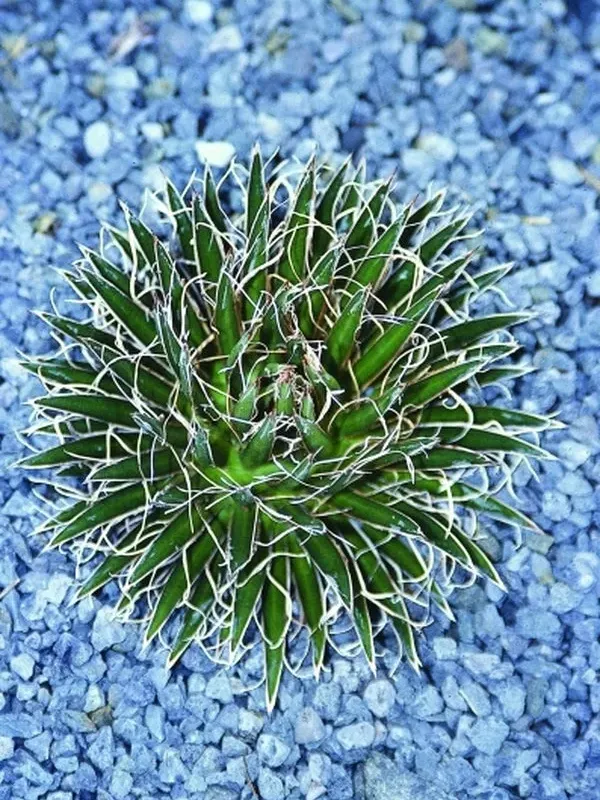
Description
Growing requirements
Agave multifilifera is a distinctive succulent belonging to the Asparagaceae family. Originating from the arid, rocky terrains of Mexico, this species has evolved to thrive in high-sunlight environments, demonstrating remarkable resilience to harsh environmental factors.
The plant is characterized by a dense rosette of leaves featuring unique fibrous filaments, which serve both as an aesthetic trait and a structural adaptation to arid conditions. Its root system is exceptionally efficient at mining moisture from nutrient-poor, rocky substrates, typical of its native habitats.
Agronomic requirements for successful cultivation include well-draining, sandy or grit-heavy soil profiles. It is critical to ensure that the medium does not retain excessive water, as the species is highly susceptible to root decay when subjected to waterlogged conditions during the vegetative stage.
Temperature management is crucial, with the plant favoring warm conditions ranging between 20 and 30 degrees Celsius. While it can withstand periods of heat, Agave multifilifera is sensitive to prolonged freezing temperatures, which can cause internal cell damage and potential mortality in open-field production.
Economically, the plant is primarily utilized in the ornamental horticultural sector. Its striking silhouette and filament-adorned leaves make it a preferred choice for xeriscaping and desert-style landscaping projects in regions with compatible climatic conditions.
Main diseases and pests
The most significant pathological threat to Agave multifilifera is fungal root rot, primarily driven by excessive soil moisture and poor drainage. Cultural management, including strict adherence to infrequent irrigation cycles, is the most effective preventative strategy against such infections.
Pest issues commonly involve infestations of mealybugs and spider mites, which target the plant's soft leaf tissues. Integrated pest management, including the use of systemic insecticides and biological controls, is essential for maintaining plant health and preventing damage to the leaf structure.