
Agave mapisaga
Agave mapisaga
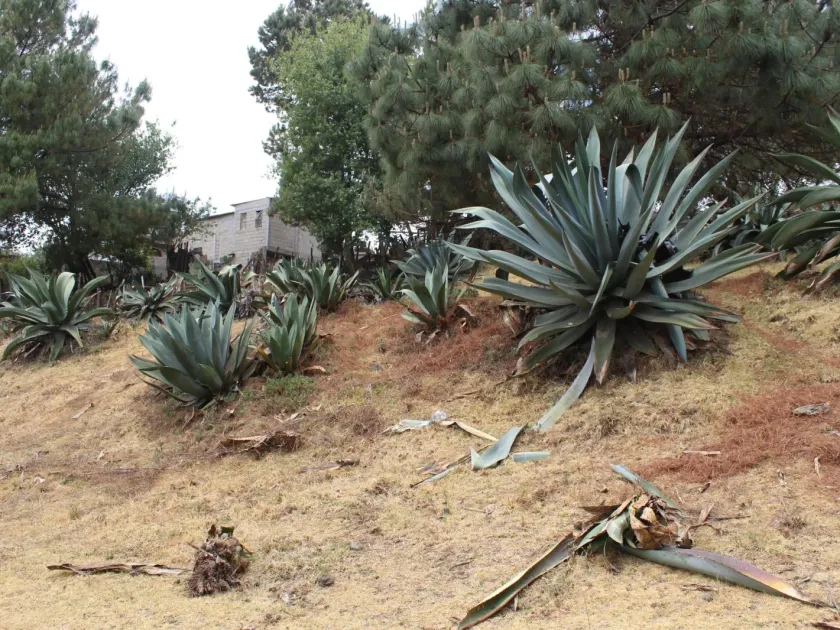
Description
Growing requirements
Agave mapisaga is a robust, large-sized succulent plant belonging to the Asparagaceae family. Native to the central Mexican highlands, this species is well-adapted to extreme environmental conditions, characterized by high-altitude exposure and semi-arid climates.
The plant features a massive rosette of thick, succulent, sword-shaped leaves that can grow to impressive dimensions. Its physiological structure is designed for efficient water storage, allowing it to survive long periods of drought in its natural habitat.
In terms of cultivation, it requires well-draining, rocky or sandy soils with a neutral pH. The species thrives in full sun and requires significant light exposure to develop its characteristic tough, high-quality leaf fibers that are highly valued in industrial applications.
Agrotechnical management is relatively straightforward due to the plant's high resistance to environmental stress. It requires minimal fertilization, as it is adapted to nutrient-poor soils, making it an excellent crop for sustainable agriculture in arid regions.
Economically, Agave mapisaga is primarily utilized for its strong fibers used in rope production and construction materials, as well as being a source of raw material for traditional beverage manufacturing in Mexico.
Main diseases and pests
The primary threats to this agave species include fungal infections such as Fusarium wilt, which typically occur due to improper drainage and stagnant water around the root zone.
The agave snout weevil remains the most serious pest for this crop. Its larvae feed on the core tissues of the plant, causing collapse and eventual death of the entire rosette if not treated immediately.
Prevention involves maintaining adequate plant spacing to ensure airflow, which significantly reduces the risk of fungal proliferation and dampness-related diseases.
Integrated pest management strategies are recommended, focusing on the early detection of weevil presence and the application of targeted insecticides during the active growing season.
Sanitation is key; infected or dead plants must be completely removed and destroyed to prevent the spread of pathogens to neighboring, healthy plants in the plantation.