
Agave macroacantha
Agave macroacantha
Description
Growing requirements
Agave macroacantha is a perennial succulent belonging to the Asparagaceae family. Native to the arid regions of Mexico, specifically Puebla and Oaxaca, this species has evolved to thrive in high-altitude, rocky environments with minimal moisture.
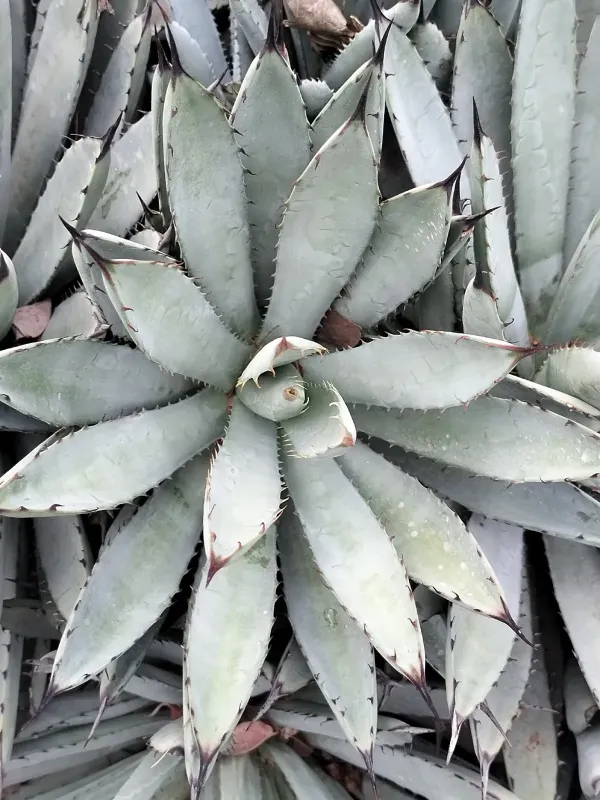
The plant is characterized by a compact, symmetrical rosette of stiff, greyish-green leaves. Its most distinctive feature is the long, sharp, dark-colored terminal spine that gives the plant its scientific name, literally meaning "large-thorned agave."
Successful cultivation requires full sun exposure and excellent drainage. The species is highly adapted to extreme temperature fluctuations between day and night, but it cannot tolerate frost, which makes it a typical greenhouse or indoor plant in temperate climates.
The substrate must be porous, mimicking the natural rocky soil of its habitat. A mixture of gravel, coarse sand, and a small amount of organic material is recommended to prevent water retention around the root ball.
Agricultural management should prioritize a "soak and dry" watering method. During the active growing season, water thoroughly but infrequently, ensuring the soil dries out completely before the next irrigation to mimic natural precipitation patterns.
Main diseases and pests
The most common threat to Agave macroacantha is root rot, induced by overwatering or poor drainage. Once the root system is compromised by anaerobic conditions, the plant can deteriorate rapidly, often showing symptoms of yellowing or mushy leaf bases.
Pests such as mealybugs and scale insects are frequent issues. These pests tend to cluster in the tight crevices between the leaves, where they feed on plant sap and can remain undetected until the plant shows visible signs of stress.
Spider mites can also become an issue during hot, dry summer months if the air circulation is inadequate. They cause stippling on the leaves, which significantly reduces the aesthetic and physiological vigor of the agave.
Control strategies involve regular monitoring of leaf bases and applying systemic insecticides if an infestation is detected. Keeping the foliage dry during irrigation helps to prevent fungal infections that thrive in trapped moisture.
Proper sanitation, such as removing dead leaf tissue from the base of the rosette, is essential. Dead tissue can provide a breeding ground for pests and pathogens, potentially leading to widespread damage within a collection.