
Agave longiflora
Agave longiflora
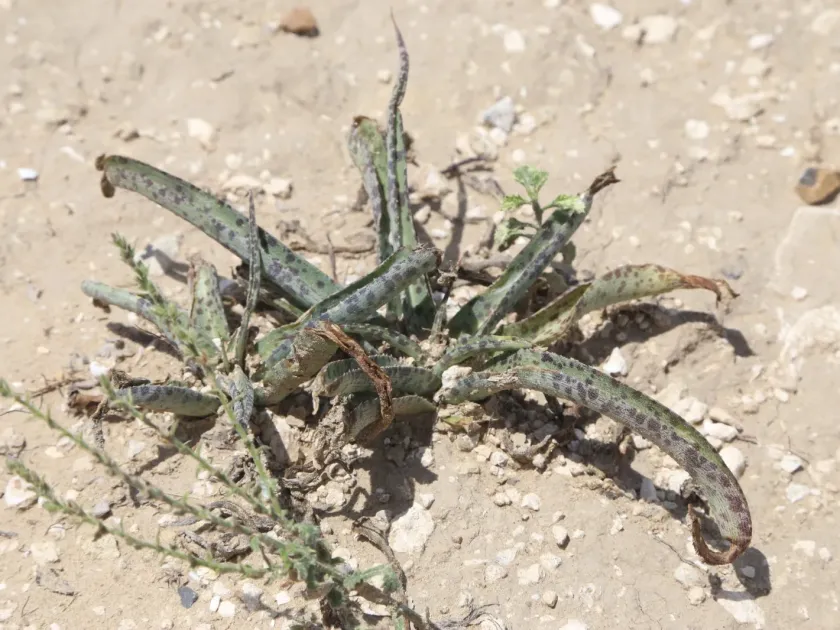
Description
Growing requirements
Agave longiflora is a distinctive succulent species belonging to the Asparagaceae family. Native to the arid environments of Mexico, this plant is characterized by its narrow, stiff leaves that form an elegant rosette structure, optimized for water storage.
The cultivation of this species requires intense, direct sunlight. Inadequate light levels will lead to etiolation, where the leaves become thin and weak, losing their characteristic structural integrity and aesthetic appeal.
Soil composition must be highly mineralized and porous. A typical mix includes coarse sand, perlite, and fine gravel to ensure immediate drainage. The plant is extremely sensitive to waterlogged conditions, which promote root rot and rapid decay of the basal tissue.
Regarding climate, Agave longiflora thrives in hot, dry conditions. During the growing season, temperatures between 20°C and 30°C are ideal. The plant is well-adapted to wide diurnal temperature variations, reflecting its natural habitat's conditions.
Agrotechnical maintenance focuses on a 'dry' approach. Irrigation should be applied only when the substrate is completely dry throughout the container. Fertilizer application should be minimal, utilizing low-nitrogen formulas to avoid rapid, succulent growth that is susceptible to tissue damage.
Main diseases and pests
The primary threats to Agave longiflora are fungal pathogens, specifically those causing root and crown rot. These infections thrive in humid, poorly ventilated environments where moisture stays trapped near the base of the leaves.
Scale insects and mealybugs are the most common pests. These insects attach themselves to the leaves, sucking the sap and causing stunted growth. They also leave behind honeydew, which often leads to the development of sooty mold.
Spider mites can become a problem in very dry and stagnant air. They pierce the surface cells of the leaves, resulting in visible yellowing and tissue necrosis that permanently scars the foliage.
Root-knot nematodes are particularly dangerous as they inhabit the soil and attack the root system directly. Once infested, the plant shows signs of nutrient deficiency and severe dehydration, even when watered correctly.
Bacterial soft rot can occur if tissues are mechanically damaged and subsequently exposed to moisture. The rot spreads quickly, often resulting in the liquefaction of the leaf tissue, necessitating immediate removal of infected plant parts.