
Agave kerchovei
Agave kerchovei
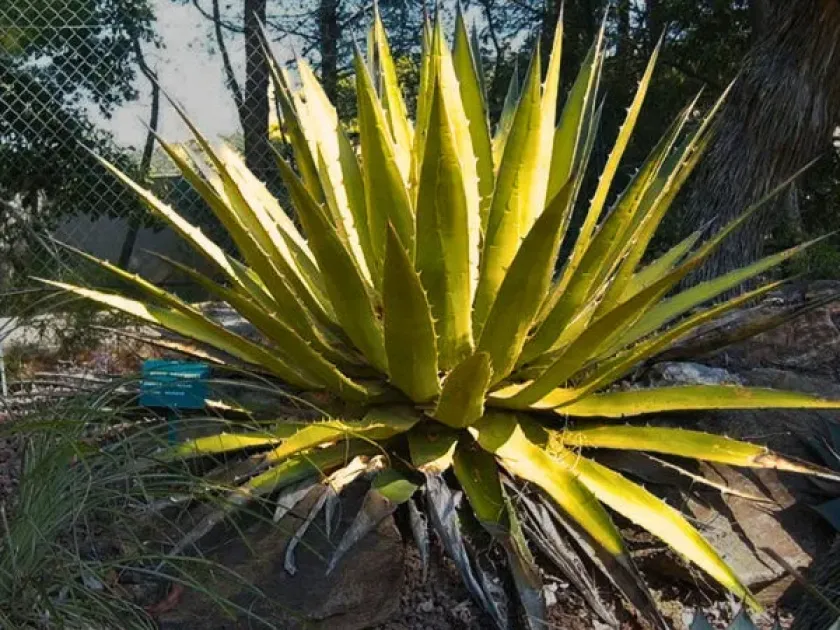
Description
Growing requirements
Agave kerchovei is a perennial succulent plant belonging to the Asparagaceae family, native to the arid and rocky regions of Central Mexico. It has evolved to thrive in harsh environments, characterized by high temperatures and limited precipitation.
The plant features a dense, rosette-shaped structure with rigid, fleshy leaves tipped with sharp, formidable spines. These structural adaptations allow the agave to store significant amounts of water, enabling it to survive prolonged dry spells effectively.
For successful cultivation, the soil must be exceptionally well-draining, such as sandy, rocky, or gritty substrates. The root system is highly sensitive to waterlogging, which often leads to rapid decay and plant loss in poorly ventilated soils.
This species requires high levels of solar radiation throughout the year. Full sun exposure is essential for maintaining the plant's robust structure, leaf thickness, and metabolic health, as any shade can lead to leggy and weak growth.
Agrotechnical management requires precise irrigation cycles, focusing on deep watering only when the soil is completely dry. During the winter, the plant enters a dormant phase where water should be kept to an absolute minimum.
Yield
Agave kerchovei is traditionally valued for the production of coarse, durable fiber obtained from its leaves. This fiber is historically used in the manufacturing of strong ropes, twines, and various types of industrial textiles.
Yields are maximized in regions with high light intensity and controlled soil moisture. After several years of growth, mature leaves are selectively harvested, allowing the core of the plant to continue developing and producing further biomass.
Beyond traditional fiber, the plant contains valuable carbohydrates and biochemical compounds that have garnered interest in the pharmaceutical and cosmetic industries. Current research is exploring sustainable extraction methods for these high-value components.
The plant is also highly prized in xeriscaping and desert gardening due to its architectural form. Its presence in landscaping projects provides a striking visual impact while requiring minimal maintenance compared to other plant species.
Economic efficiency in farming this agave is driven by its low demand for water and fertilizers, making it a viable option for semi-arid agricultural lands where traditional crops would fail to survive.
Main diseases and pests
Excessive humidity remains the primary environmental threat to Agave kerchovei. High atmospheric moisture combined with moist soil can trigger bacterial rot, which rapidly destroys the succulent tissue and the heart of the plant.
Insect pests, particularly agave snout weevils, pose a significant threat to commercial plantations. These insects penetrate the leaves and crowns, often introducing fungal spores that exacerbate the internal damage.
Fungal leaf spot diseases are common during damp seasons or in enclosed environments with stagnant air. Treatment involves the judicious use of copper-based fungicides and ensuring proper spacing between plants to enhance airflow.
Common household pests, such as mealybugs and spider mites, can infest the plant, particularly in greenhouses or under indoor conditions. Monitoring and early intervention with systemic insecticides are critical for plant health.
Effective defense strategies focus on creating an environment that mimics the plant's natural arid habitat, thereby reducing stress and boosting its innate resistance to opportunistic pathogens and pest infestations.