
Agave impressa
Agave impressa
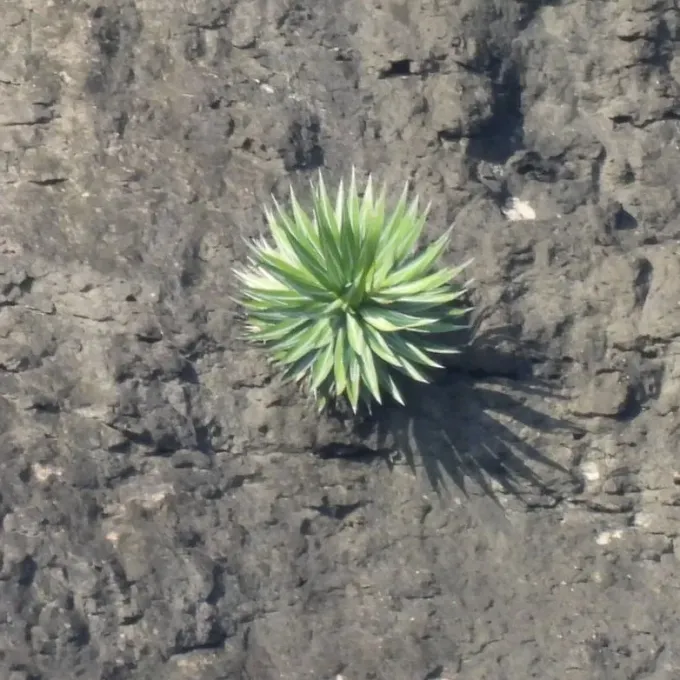
Description
Growing requirements
Agave impressa is a rare succulent species belonging to the Asparagaceae family. Native to the rugged, arid landscapes of western Mexico, particularly in the state of Sinaloa, this plant has adapted to survive in environments with poor soil and intense sun exposure.
The botanical structure of this species is defined by a dense rosette of thick, rigid leaves. The plant earns its specific epithet impressa due to the distinct, deep impressions made by the spines on the foliage as the leaves develop in the tight rosette pattern.
Climate requirements for this culture are strict: it demands high light intensity throughout the year. Providing sufficient ultraviolet radiation is crucial for maintaining the plant's structural integrity, as low-light environments lead to poor growth and leaf deformity.
Soil composition must be highly mineral-based to mimic its natural rocky habitat. A well-draining substrate composed of coarse sand, gravel, and minimal organic matter is essential to ensure that water does not remain stagnant around the crown or root zone.
Temperature management requires a balance between warm, growing-season days and slightly cooler night temperatures. While it can withstand periods of neglect, it performs best when given consistent but infrequent hydration during the warmer months and near-total drought during winter dormancy.
Main diseases and pests
Root rot is the most devastating condition for Agave impressa, usually caused by overwatering or soil that retains too much moisture. Ensuring that the substrate dries out completely between waterings is the primary preventative measure for any grower.
Mealybugs represent a significant pest threat, often colonizing the tight crevices between leaves. Effective management involves both physical removal and the application of systemic pesticides that can penetrate the waxy protective layer of the plant.
Scale insects can cause severe damage by feeding on the sap of the succulent. Growers should inspect the underside of the leaves frequently to identify infestations early before they lead to secondary fungal infections.
Fungal leaf spot may occur if humidity levels are too high combined with poor airflow. Improving ventilation in the greenhouse or growing area is essential to prevent spores from germinating on the leaf surfaces.
Inappropriate use of fertilizers, especially high-nitrogen formulas, leads to soft, rapid growth that is highly susceptible to pests. A slow-release or diluted fertilizer specifically designed for succulents is recommended to promote healthy, slow development.