
Agave guiengola
Agave guiengola
Description
Sowing dates
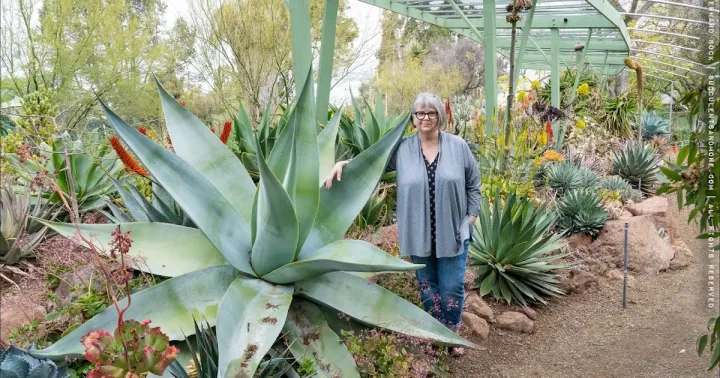
Agave guiengola is a unique succulent species belonging to the Asparagaceae family. It is renowned for its distinctive, wide, silvery-blue leaves that form an architectural rosette, making it a highly prized specimen in desert-style gardens and collections.
Propagation is typically achieved through seeds or by separating offsets (pups) that grow around the base of the parent plant. Seed sowing requires a well-draining, gritty mix, similar to the conditions found in its native Mexican habitats.
When sowing seeds, surface-sowing is recommended followed by a light covering of grit. Maintaining a consistent temperature between 22°C and 25°C is crucial for successful germination, which usually occurs within a few weeks under stable conditions.
Seedlings should be kept in bright, indirect light to encourage healthy development. As they mature, they can be gradually introduced to more direct sunlight to harden their foliage and improve the blue coloration of the leaves.
The growth rate of Agave guiengola is relatively slow compared to other agave species, which requires patience and a long-term commitment to care from the propagation stage to the plant's mature ornamental phase.
Growing requirements
This species thrives in arid, sunny climates and demands full sun exposure. In container cultivation, it requires a pot with excellent drainage holes and a specialized cactus soil mix amended with pumice or coarse sand to prevent moisture retention.
Watering should be deep but infrequent. The substrate must be allowed to dry out completely before the next irrigation. During the winter dormancy period, watering should be drastically reduced to mimic the plant's natural dry season.
Agave guiengola is not frost-tolerant. If grown in cooler regions, it must be overwintered indoors in a bright, cool location. Temperatures should ideally be kept above 5°C to avoid tissue damage and stress to the plant.
While the plant is hardy in terms of drought, it benefits from good air circulation, especially when grown in containers. This helps prevent fungal issues that can arise in stagnant, humid environments often found in indoor settings.
Minimal fertilizing is required for this species. A diluted, low-nitrogen liquid fertilizer can be applied once or twice during the peak growing season to support development without promoting weak, succulent growth.
Main diseases and pests
The primary threat to Agave guiengola is root rot, caused by overwatering or soil that remains damp for extended periods. Once rot begins, it can quickly compromise the structural integrity of the plant.
Mealybugs and scale insects are the most common pests affecting this species. They frequently hide between the dense leaf bases, making them difficult to detect. Regular inspection and targeted application of insecticidal soap can manage these infestations.
Agave snout weevils can be a devastating threat in native ranges, boring into the plant's core. In cultivation, preventing physical damage and maintaining plant health are the best defenses against these destructive pests.
Excessive humidity in winter combined with cold temperatures creates the perfect environment for fungal pathogens. Keeping the foliage dry and providing adequate ventilation are essential preventative measures.
Proper sanitation, including the removal of dead or rotting plant material from the base, is critical to maintaining a healthy environment for the agave and minimizing the risk of infection.