
Agave gentryi
Agave gentryi
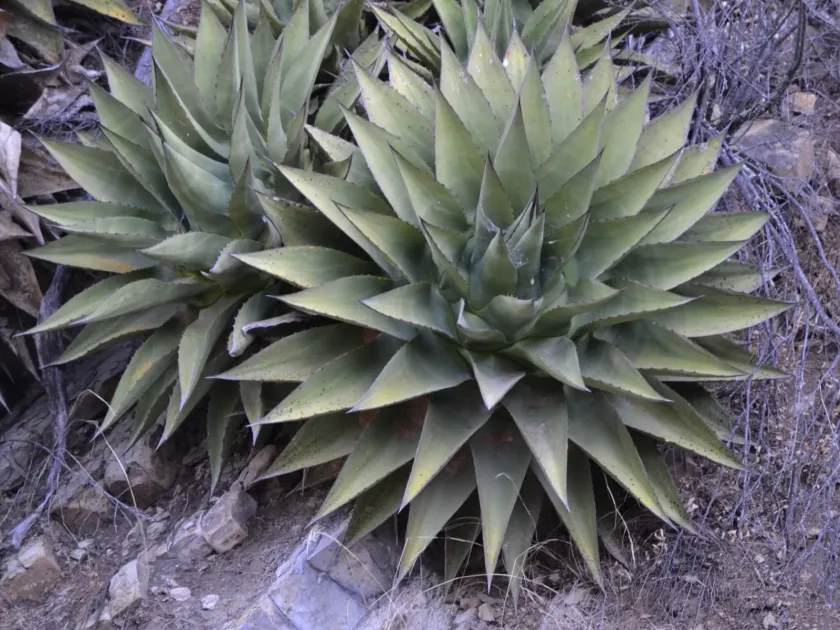
Description
Sowing dates
Agave gentryi is primarily propagated through vegetative offshoots, known as pups, which develop around the base of the mother plant.
Planting is ideally scheduled for the beginning of the rainy season to allow the root system to establish itself before the peak heat and aridity.
Seed propagation is also possible, requiring a sterile substrate and a controlled environment with temperatures ranging from 20 to 25 degrees Celsius.
Seeds must be provided with excellent aeration and consistent, light moisture, as waterlogging is highly detrimental to germination success.
Once seedlings have reached the two-year mark, they are transplanted into the field, ensuring wide spacing to accommodate the expansive rosette size.
Growing requirements
Agave gentryi belongs to the Asparagaceae family and is native to the high-altitude mountainous regions of northeastern Mexico.
The plant thrives in well-drained, rocky, or calcareous soils that prevent the risk of root rot caused by standing water.
This species is noted for its relative cold tolerance, making it more resilient to mountain frost compared to many other lowland agave varieties.
Full sun exposure is mandatory for healthy development; in low-light conditions, the plant loses its structural integrity and metabolic vigor.
Agricultural management must include strict water control during the dormant winter season to ensure the long-term health of the root system.
Yield
The economic value of Agave gentryi lies in the heart of the plant, which is harvested for industrial processing and artisanal production.
The crop cycle is long, typically ranging from 7 to 12 years, during which the plant accumulates significant biomass and carbohydrate reserves.
Yield is measured by the weight of the harvested heart (piña) and its sugar content, which dictates the quality of the final product.
Successful yields depend on optimal field density and weed management, which prevent resource competition in the early years of the crop.
Producers must monitor the plant health continuously, as any physiological stress during the growth cycle negatively impacts the final volume.
Main diseases and pests
The primary agricultural threat is the agave snout weevil, which bores into the heart of the plant and causes total tissue collapse.
Root rot and fungal infections pose a significant risk, particularly in fields with poor drainage or during seasons of excessive rainfall.
Fungal leaf spot diseases can damage the plant's photosynthetic capacity, leading to reduced overall growth and vitality.
Integrated pest management, including the use of systemic insecticides and regular field inspection, is crucial for maintaining a healthy plantation.
- Regular physical inspections for insect entry holes
- Maintenance of drainage channels to prevent water accumulation
- Immediate removal and disposal of infected plant tissues
Harvesting
Harvesting is an intensive manual process that takes place when the plant reaches maturity but before the development of the reproductive stalk.
Laborers perform the harvest by cutting away the outer leaves, a process known as jimado, to expose the central heart of the agave.
The heart must be harvested carefully to minimize bruising, which can trigger premature oxidation and loss of quality in the raw material.
Logistics play a critical role, as the harvested material is perishable and must be transported to the processing site as quickly as possible.
Clean harvesting techniques, which eliminate debris and fibrous residue, are essential for maintaining high standards in the subsequent processing stages.