
Agave geminiflora
Agave geminiflora
Description
Sowing dates
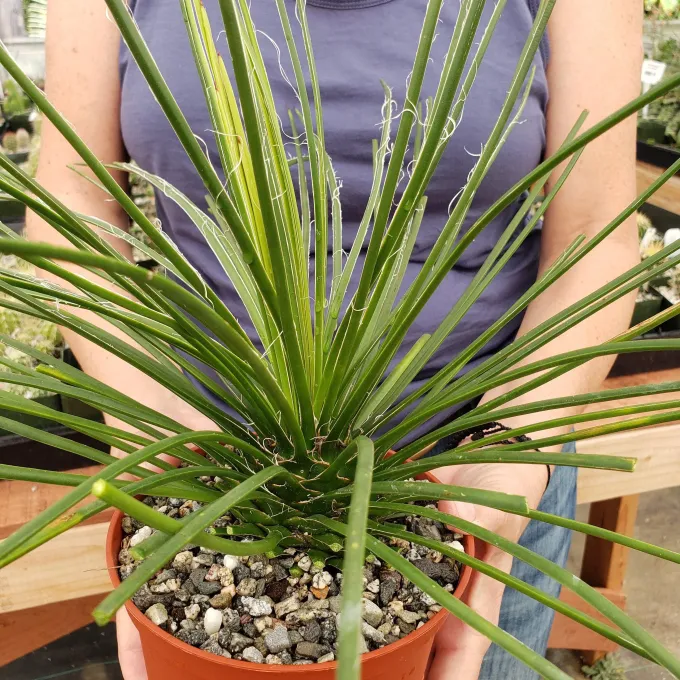
Agave geminiflora, commonly known as the twin-flowered agave, belongs to the Asparagaceae family. This species is highly valued for its dense, symmetrical rosette of narrow, thread-like leaves, which makes it a standout choice for xeriscaping.
Propagation is typically done through seeds sown in a porous, well-draining substrate. The ideal germination temperature ranges between 22 and 25 degrees Celsius, requiring a balance of bright light and consistent moisture without waterlogging.
Root offsets, or pups, provide a more reliable and faster method of multiplication. These should be separated from the mother plant during the active growing season, allowed to callous for several days, and then planted in dry soil.
Young plants require consistent monitoring of moisture levels to ensure the roots establish without succumbing to rot. The use of a sterile, sandy potting mix is essential for the initial stages of development.
Growth is notably slow, characteristic of the genus Agave. Cultivators should expect several years of patience before the plant reaches a significant size, emphasizing the need for long-term care and stable environmental conditions.
Growing requirements
This species is native to dry mountainous regions in Mexico, dictating a strict need for abundant sunlight. Full sun exposure is required to maintain the rigid, upright structure of the foliage and prevent the plant from becoming etiolated.
Temperature management is critical for success. While it thrives in warm temperatures during the summer months, it must be kept in a cool environment (around 10 degrees Celsius) during the winter to trigger a dormancy period.
Soil composition must prioritize drainage above all else. A cactus-specific mix with added perlite, pumice, or coarse sand is recommended to ensure rapid water runoff, which mimics the natural conditions of the plant's native habitat.
Watering must be disciplined: the "soak and dry" method is standard. Always ensure the soil is completely dry throughout the pot before adding more water. During winter, watering should be significantly reduced or suspended entirely.
Air circulation is another vital factor. Proper ventilation helps keep the foliage dry and prevents the buildup of humidity, which can lead to fungal issues within the dense, crowded leaf structure of the plant.
Main diseases and pests
Mealybugs are the most common pests affecting this plant. They tend to congregate at the base of the leaves and within the dense core of the rosette, making early detection and treatment with systemic insecticides necessary.
Root rot remains the most lethal threat to Agave geminiflora. It is primarily caused by poor drainage or overwatering. Symptoms include yellowing leaves and a soft, mushy base, which often indicates that the damage to the roots is irreversible.
Spider mites can become an issue if the environment becomes too hot and dry for prolonged periods. Regularly inspecting the underside of the leaves and increasing ambient humidity slightly can act as a deterrent.
Fungal infections can emerge when the plant is kept in humid, poorly ventilated spaces. Maintaining a clean growing environment and avoiding splashing water on the foliage are standard preventative maintenance practices.
- Mealybugs;
- Root rot caused by overwatering;
- Spider mites;
- Fungal leaf spots;
- Scale insects.