
False agave
Agave decipiens
Description
Growing requirements
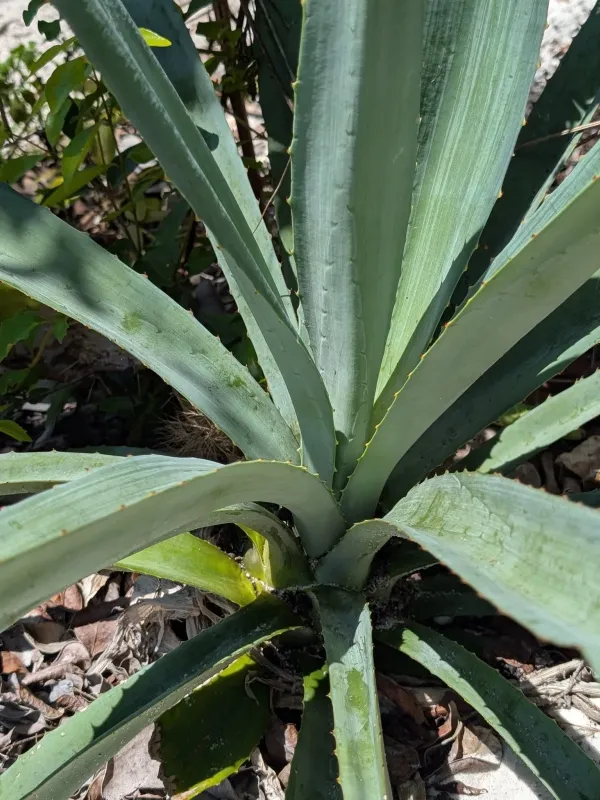
False agave (Agave decipiens) belongs to the Asparagaceae family. This perennial succulent is native to Florida and is known for its distinct rosette shape and fibrous leaves.
The plant thrives in sandy, well-draining soils. It is highly intolerant of waterlogged conditions, which can quickly lead to root rot and complete failure of the crop.
Climate requirements include high solar radiation and consistently warm temperatures. It is not frost-tolerant and requires protection in areas prone to cold snaps.
Agricultural management is relatively straightforward but requires strict attention to water cycles. Drip irrigation is preferred to keep the foliage dry and prevent fungal issues.
Propagation is typically done through suckers or bulbils. This method is preferred by growers to ensure high uniformity and faster establishment of new plantation rows.
Yield
The primary economic use of Agave decipiens is fiber production. The leaves are processed through decortication to extract durable fibers suitable for various cordage applications.
While not as economically significant as other industrial agaves, this species provides a valuable source of fiber in arid regions where other industrial crops fail.
Yields are maximized by optimizing nitrogen and potassium levels during the early stages of growth. Proper fertilization programs significantly improve leaf length and strength.
The harvest cycle must be managed to extract leaves before the plant initiates its single, terminal flowering event, which marks the end of the vegetative cycle.
In addition to fiber, the plant is sometimes utilized for landscape design, though its industrial capacity remains the primary focus of its agricultural classification.
Main diseases and pests
The most significant threat to the crop is root rot caused by poor soil drainage. This is often exacerbated by over-irrigation during dormant periods of the year.
Agave snout weevils are the most destructive pests. These insects tunnel into the heart of the plant, often leading to the collapse of the rosette before signs of infestation are visible.
Fungal leaf spot infections occur under high humidity, requiring adequate spacing between plants to ensure constant airflow and prevent the buildup of pathogens.
Scale insects can weaken the plant by feeding on the sap, leading to stunted growth. Integrated pest management strategies are necessary to control these infestations.
Monitoring the field for signs of discoloration is essential for early detection. Maintaining the health of the primary rosette is the main priority for any agave grower.