
Agave cocui
Agave cocui
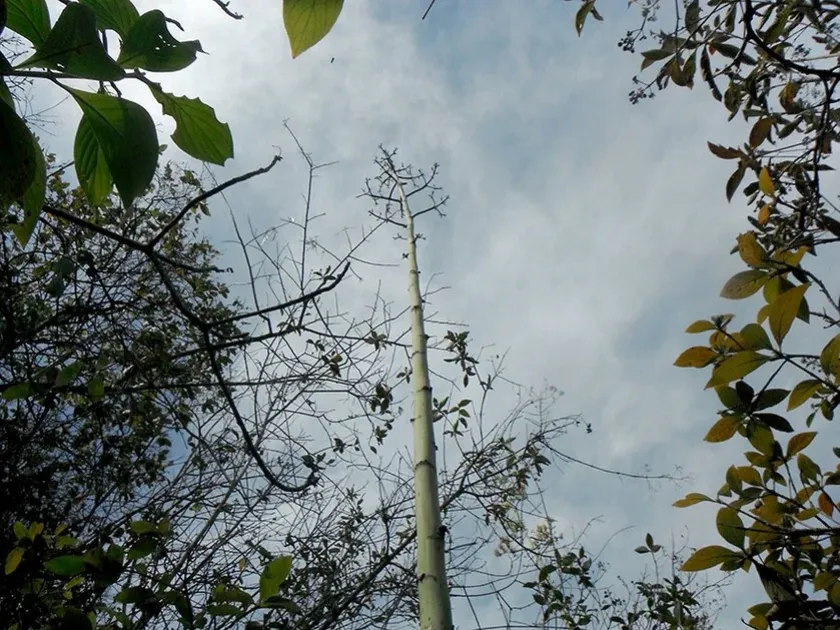
Description
Sowing dates
Propagation of Agave cocui in commercial settings is primarily achieved through vegetative means. The planting material consists of offsets or "pups" that emerge at the base of the mother plant, ensuring a faster establishment compared to seed-based methods.
The optimal planting time is at the beginning of the rainy season. This timing allows the young plants to establish their root systems effectively, providing the necessary resilience to survive the upcoming dry periods typical of the regions where this species thrives.
Planting is carried out in rows, maintaining a spacing of approximately 2 to 3 meters between individual plants. This density is essential to ensure adequate airflow, which is critical for preventing humidity-related diseases, and to facilitate easier manual access for future harvest.
Prior to planting, the field must be cleared of weeds and the soil deeply tilled. Although Agave cocui is a hardy species, proper initial soil preparation significantly accelerates the growth rate of the leaf rosette during the first two years of the cycle.
While sexual reproduction via seeds is possible, it is rarely employed in commercial agriculture due to the extremely slow germination rate and the long period required for seedlings to reach a maturity stage suitable for intensive farming.
Growing requirements
Agave cocui is a member of the Asparagaceae family, perfectly adapted to xeric environments. It thrives in hot, arid, or semi-arid climates where it utilizes its succulent tissues to store moisture and withstand prolonged droughts.
The crop requires well-drained, sandy, or rocky soils with a neutral to slightly alkaline pH. Waterlogging is detrimental to the plant, as it causes rapid decay of the root system and the core, leading to the death of the entire plant.
Agave requires full sun exposure for optimal development. High levels of solar radiation are necessary for the plant to accumulate sugars in the stem and to develop the structural integrity of the fibers within its leaves.
The optimal temperature range for development is between +25 and +35 degrees Celsius. The plant is highly sensitive to frost, which limits its industrial cultivation to tropical and subtropical zones where temperatures remain consistently above freezing.
Nutrient requirements are relatively low compared to traditional row crops. However, occasional applications of phosphorus and potassium-rich fertilizers can significantly enhance the development of the leaf rosette and improve the overall yield quality.
Yield
The economic value of Agave cocui is split into two primary industrial sectors: the production of durable natural fibers derived from the leaves and the production of traditional distilled spirits made from the plant’s core.
Harvesting for fiber production typically begins when the plant reaches maturity, usually between 4 and 6 years of age. During this period, the leaves contain the highest concentration of high-quality, long-staple fibers.
The core, known as the piña, is harvested just before the plant enters its flowering phase. At this specific developmental stage, the sugar concentration is at its peak, providing the highest possible yield during the fermentation and distillation process.
Total yield per hectare depends on planting density and site-specific climatic factors. Consistent management practices allow for a predictable harvest cycle, sustaining long-term productivity for farms dedicated to this crop.
Since the plant is harvested by removing the core, the production cycle is terminal for the individual plant. Farm management must therefore plan for periodic replanting to ensure a continuous supply of raw material for the processing facilities.
Main diseases and pests
Fungal infections, often resulting from excessive soil moisture or poor drainage, represent the most significant threat to agave plantations. These pathogens can cause stem rot, leading to the rapid collapse of the leaf structure.
The agave snout weevil is considered the primary insect pest. Its larvae bore into the core of the plant, causing irreparable damage that results in the plant's death. Regular field inspections are crucial for early detection and control.
Sucking insects can also damage the leaves and serve as vectors for viral diseases. Integrated pest management strategies, including the use of resistant planting materials, are recommended to maintain the health of the plantation.
Plants under physiological stress, such as those suffering from severe nutrient deficiencies or water stress, are more susceptible to secondary infections. Maintaining soil health is a fundamental component of natural disease prevention.
Chemical control measures should be applied with caution to comply with environmental regulations and to ensure that no residues contaminate the end products, particularly when the raw material is intended for human consumption as spirits.
Harvesting
Harvesting is a labor-intensive manual task. Workers use sharp, heavy blades to remove the leaves from the base of the plant, taking care not to damage the meristematic tissue if the plant is intended for partial harvesting or future regrowth.
For fiber extraction, the harvested leaves undergo a process called decortication, where the pulpy material is mechanically removed to reveal the tough, durable fibers that are subsequently washed and sun-dried to reach the required moisture level.
When harvesting for spirits, the entire plant is dug up. The leaves are trimmed away, leaving only the dense core or piña, which is then transported to the processing unit for cooking and fermentation.
Timing the harvest is based on visual maturity indicators: leaf rigidity, color, and the thickening of the base. If harvested too early, sugar levels are insufficient; if harvested too late, the plant may begin to expend its energy reserves on flower stalk development.
Logistics are paramount following the harvest. The raw material must be transported to the processing facility as quickly as possible to prevent degradation, especially for the cores, which are highly prone to enzymatic oxidation and spoilage if left exposed to heat.