
Agave applanata
Agave applanata
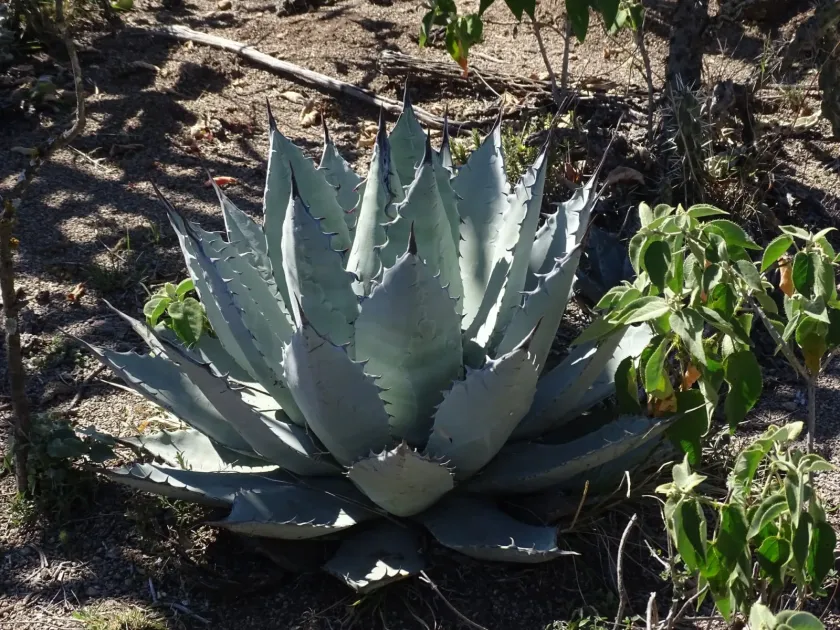
Description
Sowing dates
Propagation of Agave applanata is primarily achieved through seeds or by harvesting the offsets (pups) that develop at the base of the parent rosette.
Seeds should be sown in a well-draining, sandy-based medium, maintaining a temperature range of 20 to 25 degrees Celsius for optimal germination success.
When using offsets, it is crucial to allow the cut surface to callous for several days in a shaded, dry area before planting them into the growing substrate.
Sowing in sterile conditions is highly recommended to protect young seedlings from damping-off disease, which is a common threat in humid environments.
Young plants require consistent moisture during their initial stages but should be transitioned to a drought-tolerant watering regime as they mature.
Growing requirements
As a member of the Asparagaceae family, Agave applanata thrives in environments that replicate its native Mexican habitat, characterized by intense light and heat.
The soil profile must be extremely porous and rocky to ensure rapid water drainage, preventing the root rot that frequently plagues succulent species.
The plant performs best under full sun exposure, although it can tolerate light afternoon shade in exceptionally hot climates to prevent leaf scorching.
Temperature management is vital; while the plant is somewhat cold-hardy, it must be protected from prolonged freezing temperatures and moisture-saturated soils.
Minimal fertilization is required; a low-nitrogen fertilizer applied during the active growth season is sufficient to support healthy development.
Yield
The yield of Agave applanata is defined by the quality and size of its rosette, which requires several years of growth before reaching maturity.
In commercial ornamental production, the goal is to produce uniform, symmetrical specimens that meet market standards for size and aesthetic appeal.
Optimizing space and light distribution within the growing area is essential for maximizing the number of marketable units per hectare or greenhouse space.
Management practices, such as pruning dead lower leaves and ensuring adequate airflow, directly contribute to the overall biomass health and final yield quality.
Productivity metrics also include the successful rate of offset production, which can be accelerated through targeted nutrient management and climate control.
Main diseases and pests
The primary threats to Agave applanata include fungal infections caused by overwatering or high humidity, such as crown rot and various leaf spot pathogens.
Pests like mealybugs, scale insects, and agave snout weevils can cause significant damage by attacking the succulent tissues and weakening the plant structure.
Improper ventilation in indoor or greenhouse settings is a common precursor to pest outbreaks and fungal spread, necessitating regular monitoring.
Integrated pest management (IPM) is the most effective approach, combining biological controls with targeted applications of insecticidal soaps or systemic treatments.
Maintaining a clean growing environment by removing dead plant debris prevents the accumulation of pests and pathogens, safeguarding the crop's long-term health.
Harvesting
Harvesting Agave applanata involves careful excision of mature leaves or the extraction of entire rosettes depending on the specific end-use application.
Using sanitized, sharp implements is necessary to create clean cuts that heal quickly, reducing the likelihood of infection at the harvest site.
For fiber extraction, leaves are typically harvested when they have reached their peak maturity, ensuring the longest and strongest fibers for industrial use.
Harvesting should be conducted during dry weather conditions to minimize the risk of bacterial or fungal pathogens entering the fresh wounds.
Post-harvest processing requires immediate handling to prevent dehydration or degradation of the valuable sap and fibers contained within the leaf tissues.