
Agave anomala
Agave anomala
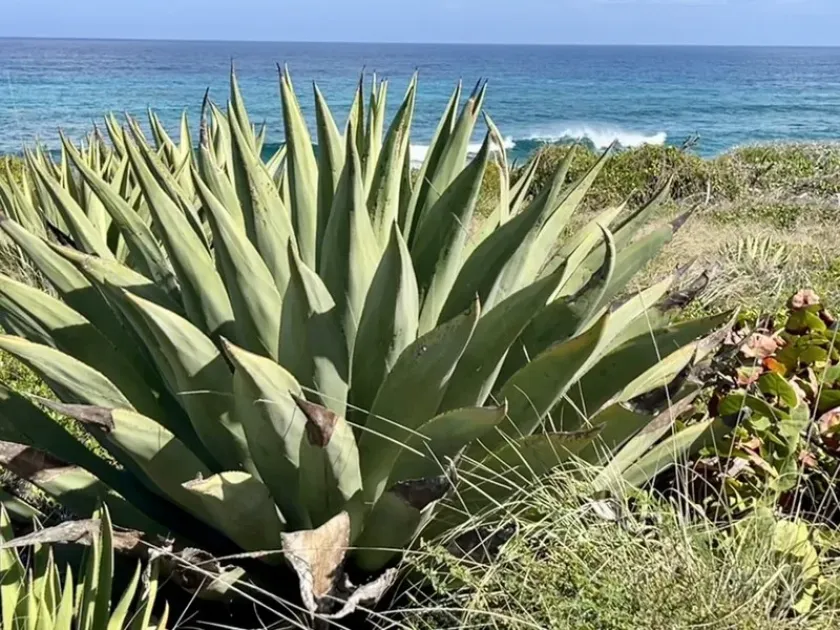
Description
Growing requirements
Agave anomala is a perennial succulent plant belonging to the Asparagaceae family. It is characterized by a dense rosette of thick, fleshy leaves that store water, allowing the plant to thrive in arid environments with limited rainfall.
Native to the Caribbean region, particularly Cuba, this species prefers well-draining, rocky, or sandy soils. It is highly intolerant of waterlogged conditions, which can lead to root rot and rapidly destroy the plant health.
The plant requires full sun exposure for optimal growth and development. High levels of solar radiation are essential for photosynthesis, ensuring the structural integrity of the leaves, which are the primary source of raw material for industrial applications.
Climate requirements include high temperatures throughout the growing season. As a frost-sensitive crop, Agave anomala requires sheltered environments if cultivated in regions outside of the tropics, making protected agriculture essential for northern latitudes.
Agronomic management focuses on moderate irrigation and soil management. Since the species is adapted to nutrient-poor soils, heavy fertilization is rarely required, but monitoring soil pH and drainage levels remains a vital component of successful farm management.
Harvesting
Agave anomala is primarily cultivated for its high-quality plant fiber. The extracted fibers are renowned for their strength, durability, and resistance to wear, making them valuable in the production of ropes, twines, heavy-duty mats, and industrial brushes.
The harvesting process involves selective cutting of the mature, outer leaves. This method ensures that the central part of the rosette remains intact, allowing the plant to continue growing and producing new leaves for subsequent harvest cycles.
Once harvested, the leaves are processed through decortication, a mechanical procedure that strips the fiber from the pulp. Advanced machinery is used to increase the efficiency of this process, ensuring minimal fiber damage and high yields of clean, marketable material.
By-products of the fiber extraction process, consisting of leaf pulp and residue, are often repurposed. They serve as valuable organic matter that can be returned to the soil as compost, supporting sustainable farming practices and soil vitality.
Yield management depends on the systematic monitoring of the plantation. Harvesting at the peak of maturity ensures the best fiber-to-mass ratio, whereas delaying the harvest can negatively impact the flexibility and strength of the fibers produced.