
Agave amica
Agave amica
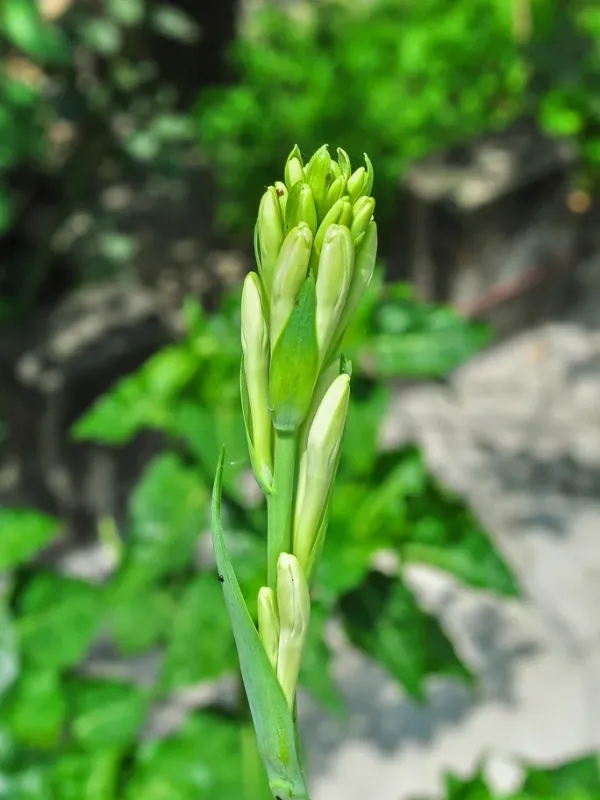
Description
Sowing dates
Agave amica, commonly known as tuberose, is commercially propagated through division of its rhizomes or bulbs. The optimal planting period occurs in spring once the soil temperature consistently reaches 15 to 18 degrees Celsius, which is essential for ensuring robust initial growth and development of the root system.
The depth of planting varies depending on the bulb size, usually ranging from 5 to 10 centimeters. Proper spacing is vital for air circulation and ease of field management; it is recommended to maintain row spacing of approximately 40 to 50 centimeters to maximize yield while allowing for mechanical intervention.
Preparing the seedbed with excellent drainage is paramount for this crop, as water stagnation often leads to bulb rot and fungal infections. Pre-planting treatment with fungicides is a standard agricultural practice used to protect the propagation material during the sensitive rooting phase.
In regions with harsh winter climates, the bulbs must be lifted after the growing season and stored in a cool, dry, and well-ventilated environment. Proper storage conditions are essential to prevent premature sprouting, dehydration, or potential decay of the vegetative material during the dormancy period.
Using high-quality, virus-free planting stock is the foundation for achieving consistent yields. Regular renewal of the planting stock is necessary to maintain the vigor and genetic purity of the crop, ensuring long-term profitability for the agricultural enterprise.
Growing requirements
Agave amica belongs to the Asparagaceae family and is a tropical plant that thrives in warm climates with high light intensity. It requires sufficient thermal units and direct sunlight throughout its vegetative cycle to support the development of its aromatic spikes and lush foliage.
The crop prefers fertile, loose, and well-drained loam or sandy soil with a neutral to slightly acidic pH level. Soil structure should be light enough to allow for optimal root aeration, as heavy, compacted soils impede growth and increase the susceptibility of the plants to root-related diseases.
During the active growing phase, regular but moderate irrigation is essential. Drip irrigation systems are highly effective for this crop as they provide consistent moisture directly to the root zone while preventing excessive leaf humidity, which could otherwise foster the development of fungal pathogens.
A balanced fertilization program, focusing on phosphorus and potassium, is necessary to support strong floral spike formation. Over-application of nitrogen should be avoided, as it may result in excessive leaf growth at the expense of flower production, affecting the overall quality of the harvest.
Growing the crop in protected environments or regions with mild climates provides significant advantages, allowing for an extended harvest period and shielding the plants from adverse weather conditions such as heavy rainfall, strong winds, or unseasonable temperature drops.
Main diseases and pests
Fungal diseases, such as Fusarium wilt and various forms of bulb rot, are the most significant threats to Agave amica plantations, particularly in areas with poor drainage. Proactive disease management, including regular sanitation and fungicide applications, is critical to protecting the investment.
Common pests like spider mites and thrips pose a consistent challenge by feeding on the leaves, which stresses the plant and reduces its productivity. Implementing an Integrated Pest Management (IPM) strategy, including regular scouting and biological control, is highly recommended.
Nematodes are another hidden threat that targets the root system, causing plant stunting and reduced nutrient uptake. Crop rotation and soil solarization or chemical treatment are effective methods used to reduce nematode populations in the soil profile before planting new cycles.
Maintaining high levels of field hygiene, including the prompt removal of crop residues, is a key component of preventing the spread of diseases. A professional approach to sanitary protocols ensures the longevity and health of the plantation over multiple growing seasons.
- Ensure adequate soil drainage
- Implement strict sanitation measures
- Use professional fungicides and miticides
- Practice crop rotation
Harvesting
Agave amica is primarily cultivated for the perfume industry, which values its intensely aromatic flowers. The harvesting process requires skilled manual labor, as the spikes should be collected during the semi-opening phase to ensure the maximum concentration of essential oils is preserved.
Since the flowers on a spike open unevenly, harvest cycles are frequent and labor-intensive, often requiring daily visitation of the fields during the peak blooming season. Rapid transportation of the harvested flowers to the processing facility is crucial to minimize the loss of volatile compounds.
The extraction of essential oil from the flowers requires sophisticated equipment to ensure that the delicate chemical profile is not degraded by heat or mechanical stress. Precision in the extraction process directly translates to the quality and market value of the final oil product.
Beyond fragrance production, the crop is highly valued in the cut-flower market due to the longevity and beauty of its spikes. High-quality flowers are exported for use in high-end floral arrangements, providing an additional revenue stream for commercial farmers.
Effective logistics, including the use of ventilated transport containers and timely handling, are the final keys to a successful harvest. Managing the post-harvest supply chain with efficiency guarantees that the product reaches the market in optimal condition, maximizing profit margins.