
Agave abisaii
Agave abisaii
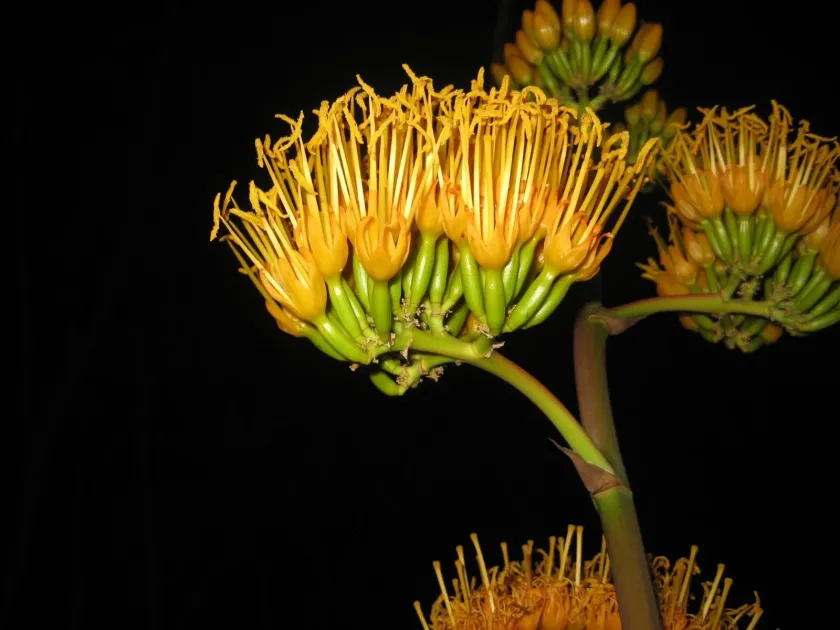
Description
Growing requirements
Agave abisaii is a distinct succulent species belonging to the family Asparagaceae. Native to the arid, rocky landscapes of Oaxaca, Mexico, this plant is valued for its unique morphological features and adaptation to harsh desert environments.
Successful cultivation requires soil that mimics its native rocky habitat, specifically demanding excellent drainage. A substrate composed of sandy loam, pumice, or gravel is essential to prevent moisture accumulation around the roots, which is the primary cause of plant failure.
The plant thrives under conditions of high solar irradiance. Adequate exposure to full sunlight is necessary to maintain the structural integrity of its succulent leaves and to promote a healthy growth cycle characteristic of the species.
Botanically, the species is defined by its compact habit. Its leaves are thick, fibrous, and equipped with sharp marginal spines, which serve as an evolutionary adaptation to preserve water and deter herbivores in its native ecosystem.
Water management is the most critical aspect of Agave abisaii agrotechnics. During the growing season, watering should be infrequent but thorough, allowing the soil to dry out completely between sessions to avoid root asphyxiation and rot.
Main diseases and pests
The primary threats to Agave abisaii are fungal infections, particularly root rot, which typically manifest when the plants are subjected to waterlogged soil conditions or poor air circulation. These infections are often difficult to reverse once they reach the core.
Pest pressure is frequently driven by mealybugs and scale insects. These organisms cluster in the crevices between leaves, drawing nutrients from the plant tissues and weakening its natural resistance to environmental stress.
The agave weevil remains a significant threat, as the larvae bore into the heart of the succulent, consuming the central growing point and causing rapid tissue collapse and potential death of the specimen.
Effective pest management involves integrated control strategies, including the use of targeted systemic insecticides and manual removal of infested parts. Monitoring the plant for early signs of infestation is vital to preserving its health.
Preventative cultural practices, such as ensuring proper spacing between plants and maintaining low humidity levels, are the most effective ways to mitigate the risk of pathogen outbreaks and preserve the longevity of the collection.