
Allium zebdanense
Allium zebdanense
Description
Sowing dates
Bulbs should be planted in the autumn, ideally from September to October. This timing ensures that the root system is well-established before the soil temperatures drop significantly, allowing the plant to utilize stored energy for early spring growth.
When propagating via seeds, sow them in containers during the autumn and place them in a cold frame. Seeds require a cold stratification period of several weeks to break dormancy, so a winter outdoors is often the most successful method for natural germination.
Planting depth should be approximately twice the height of the bulb. Spacing between bulbs should be about 10–15 cm to allow for proper air circulation and to prevent the buildup of pathogens, especially in damp environments where fungal growth can be an issue.
Ensure that the soil is kept lightly moist after planting but not waterlogged. Avoid excessive organic amendments that might hold too much moisture, as the bulbs are adapted to lean, mountainous soil profiles rather than nutrient-rich, heavy soils.
Regular monitoring of the garden bed is essential during the early stages of growth to prevent weeds from choking out the young shoots. Once the plants reach maturity, they will often spread slowly by forming small bulbils, creating a natural, clumped appearance over time.
Growing requirements
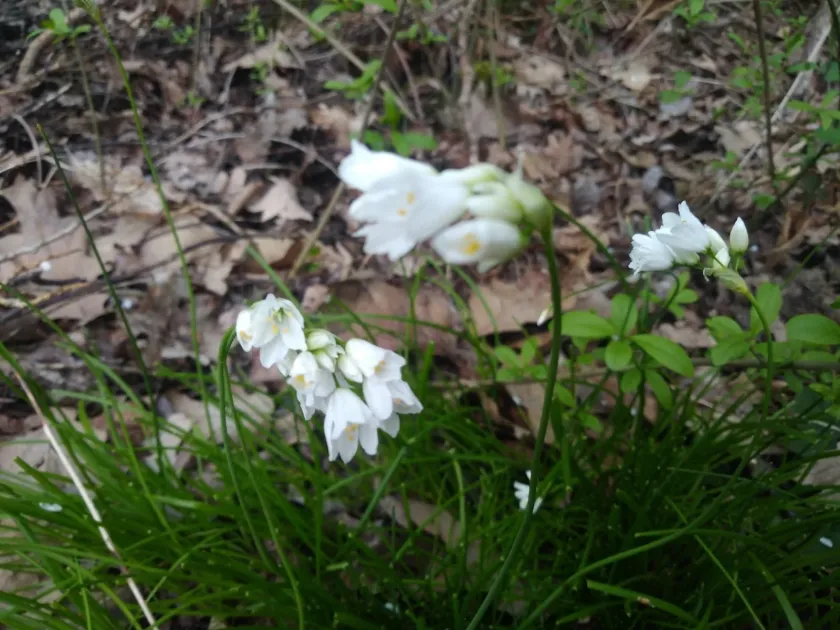
Allium zebdanense is a bulbous perennial belonging to the Amaryllidaceae family. Native to the mountainous regions of Lebanon and Syria, it is a delicate plant known for its clusters of star-shaped, pure white flowers that bloom in the spring, adding a graceful touch to rock gardens and borders.
Botanically, the plant is characterized by linear, grass-like leaves that emerge early in the season. As an ephemeral plant, it completes its growth cycle relatively quickly, with the foliage often dying back as the summer heat intensifies, which is a natural adaptation to its native habitat.
The species thrives in well-draining soil with a neutral to slightly alkaline reaction. It is highly sensitive to waterlogged conditions, which can lead to bulb rot. Therefore, incorporating coarse sand or gravel into the planting site is recommended for gardeners with heavier clay soils.
Regarding climate, Allium zebdanense prefers cool, temperate conditions. It performs exceptionally well in partial shade, such as under deciduous trees, where it receives sufficient light in early spring before the canopy closes, but is protected from the harsh sun in the summer.
While the plant is relatively hardy, it appreciates a layer of mulch in regions with extremely cold winters to protect the bulbs from deep soil freezing. Maintenance is minimal once the plant is established, as it does not require frequent division or heavy fertilization to bloom consistently.
Main diseases and pests
The primary threats to Allium zebdanense are soil-borne fungal pathogens, such as Sclerotinia and Botrytis, which thrive in wet, stagnant conditions. Improving soil drainage and ensuring adequate spacing are the most effective preventative measures against these issues.
Bulb mites can occasionally cause damage to the underground parts of the plant, especially if the bulbs are stressed by poor soil conditions or mechanical injury during planting. Using high-quality, healthy bulbs is the best defense against introducing pests into the garden.
Slugs and snails may feed on the tender young foliage during the early spring. Gardeners can use physical barriers or organic bait to protect the emerging leaves until the plant develops enough toughness to withstand minor pest pressure.
Improper watering practices represent a significant threat to the longevity of the plant. Excessively moist soil during the summer dormancy period is the most common cause of bulb decline, as the plant needs a dry period to recover for the next season.
In some regions, viral infections transmitted by aphids can affect the vigor of the plant, leading to stunted growth and mottled leaves. Managing aphid populations and removing any visibly diseased individuals help maintain the health of the entire collection.