
Wallich's onion
Allium wallichii
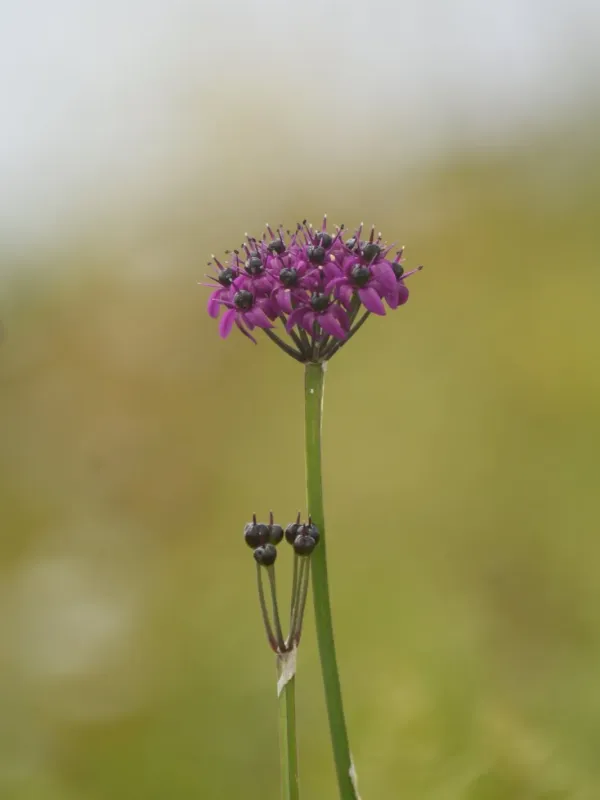
Description
Sowing dates
Sowing Wallich's onion seeds is best performed during late autumn or early spring. The seeds require a period of stratification to break dormancy, making outdoor autumn sowing a preferred, natural method for better germination.
If sowing in the spring, seeds should be pre-chilled in a refrigerator for at least 30 to 45 days. They should be planted at a shallow depth of approximately 1 to 1.5 cm in a moist, light seed-starting mix.
The ideal temperature for germination ranges between 15°C and 18°C. Consistent soil moisture must be maintained during the first few weeks to ensure the delicate seedlings emerge successfully.
During the first year, plants develop slowly, focusing on root establishment and a small basal rosette. Spacing is crucial; transplanting seedlings to a permanent location with 20x30 cm gaps is recommended.
Handle seedlings with care when transplanting to avoid disturbing the fragile root system. Watering immediately after transplanting helps the young plants settle into their new environment.
Growing requirements
As a native of the Himalayan mountains, Allium wallichii thrives in cool climates. It prefers locations with partial shade, especially in areas where summer heat becomes intense during the afternoon.
Well-draining soil rich in organic matter is essential for success. While the species is versatile, it performs best in neutral to slightly acidic soil conditions and avoids heavy, waterlogged clay.
Watering should be regular but careful; the roots are prone to rot if kept in saturated conditions. Applying a layer of organic mulch around the base helps retain consistent moisture and keeps the roots cool.
Fertilization should be handled with restraint. A light application of compost or well-rotted manure in early spring is usually sufficient to support growth without causing excessive, weak foliage.
This species is highly cold-hardy, suited for mountainous regions. In areas with mild or snowless winters, providing a layer of light protection like straw or horticultural fleece helps guard against frost heaving.
Main diseases and pests
Fungal diseases, particularly powdery mildew, pose the most significant threat to Wallich's onion. These conditions are exacerbated by high humidity and stagnant air, so proper site ventilation is necessary.
Root rot is another major risk factor often caused by poor drainage or overwatering. Gardeners should ensure the planting site is elevated or modified to prevent the accumulation of excess water.
Common onion pests such as thrips and onion flies can occasionally attack the foliage. Using fine mesh row covers during the peak activity of these insects can effectively protect the plants without pesticides.
Pest management should focus on maintaining plant vigor through proper spacing and cleanliness. Removing debris around the plants helps reduce the habitat for many common pests and pathogens.
Regular monitoring of the foliage is advised, especially during damp seasons. Early detection of symptoms allows for the removal of affected leaves, preventing the spread of diseases to the rest of the crop.
Harvesting
The harvest of fresh leaves can begin in the second year once the plant has established a robust root system. Leaves should be harvested individually or in bunches, ensuring the center of the rosette remains intact.
The leaves of Allium wallichii offer a unique, pungent flavor profile reminiscent of both onion and garlic. They are best utilized fresh in salads, stir-fries, or as a garnish for diverse dishes.
For seed saving, leave a few healthy flower stalks to mature throughout the summer. Seeds are ready to harvest once the seed pods turn brown and begin to dry out on the stalks.
Preservation options for surplus foliage include drying in a shaded, well-ventilated area or chopping and freezing. While freezing preserves the aroma best, drying is convenient for long-term pantry storage.
Productivity remains steady with regular care. By harvesting selectively and providing adequate nutrients after each cut, gardeners can enjoy multiple rounds of fresh greens throughout the growing season.