
Textile onion
Allium textile
Description
Sowing dates
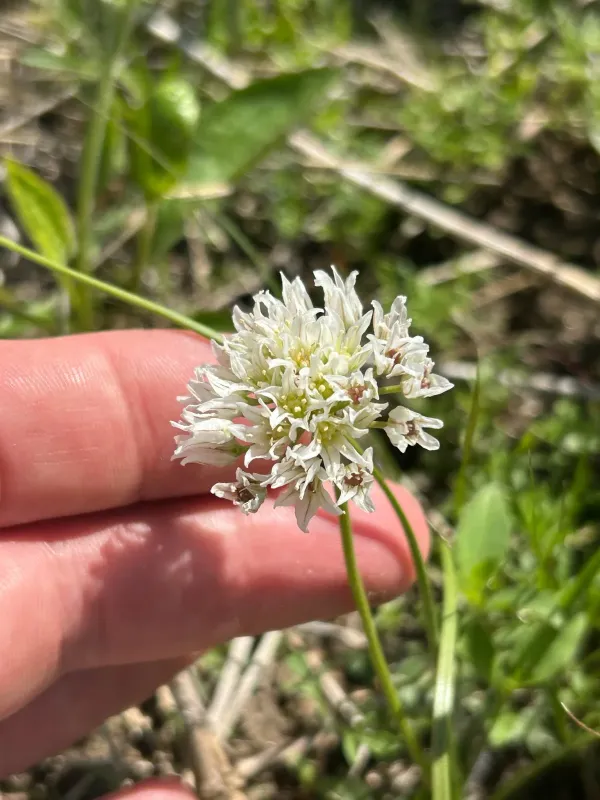
Textile onion (Allium textile) is a perennial bulbous plant belonging to the Amaryllidaceae family. It is native to the prairie regions of North America, where it thrives in harsh, dry environments.
Propagation is typically done by seeds or by dividing mature bulb clusters. Seeds should be sown in the spring, once the soil has warmed up, ensuring a depth of about 1.5 centimeters.
For vegetative propagation, bulbs should be separated during the plant's dormant phase, which usually occurs in the autumn. This allows the roots to establish before the onset of winter.
When sowing, maintaining adequate spacing between plants is crucial for air circulation. A distance of 20–30 centimeters between rows prevents the competition for soil nutrients.
After sowing, it is essential to keep the soil consistently moist but not waterlogged until the seeds germinate, which can take several weeks depending on the temperature.
Growing requirements
Textile onion requires full sun exposure to flourish. Providing sufficient sunlight is essential for the bulb development and the accumulation of flavor compounds in the leaves.
The plant prefers well-drained, sandy or gravelly soils. Heavy clay soils should be avoided or amended with sand to prevent water stagnation, which is the primary cause of bulb rot.
This species is exceptionally drought-tolerant, making it an excellent choice for xeriscaping or low-maintenance gardens in semi-arid regions.
Fertilization should be handled with care. A light application of balanced compost during the planting phase is sufficient, as the plant is adapted to nutrient-poor wild environments.
Weed control is necessary during the early stages of growth, as the young seedlings are not competitive. Regular shallow hoeing helps to keep the soil structure light and aerated.
Main diseases and pests
The primary threats to this onion species are fungal diseases, especially root rot caused by poor soil drainage. Maintaining a proper environment is the best form of prevention.
Onion maggots (larvae of the onion fly) are a common pest. They feed on the roots and the bulb base, often leading to rapid plant decay if left untreated.
Thrips can also affect the foliage, causing silvery streaks and reduced vigor. Monitoring plants during hot, dry spells is key to detecting these insects early.
Botrytis leaf blight can occur under conditions of high humidity. Ensuring proper spacing and airflow helps to mitigate the risk of this fungal spread.
To minimize pest problems, it is recommended to implement crop rotation and avoid planting Allium species in the same spot for multiple consecutive years.
Harvesting
The harvest occurs once the aerial parts of the plant begin to yellow and wither. This typically signals that the bulb has reached maturity and entered dormancy.
Use a hand trowel or garden fork to lift the bulbs gently from the soil, ensuring not to pierce or bruise them, as damaged bulbs are susceptible to spoilage.
Curing is an essential post-harvest step. The bulbs should be placed in a dry, well-ventilated area, away from direct sunlight, for about two weeks to dry the outer skins.
Once cured, the bulbs can be stored in a cool, dry place. Using mesh bags allows for better airflow, which is critical for long-term preservation during the winter months.
Beyond its culinary uses, the textile onion is often appreciated by native plant enthusiasts for its role in historical ecology and as a resilient perennial in the garden.