
Persian onion
Allium stipitatum
Description
Sowing dates
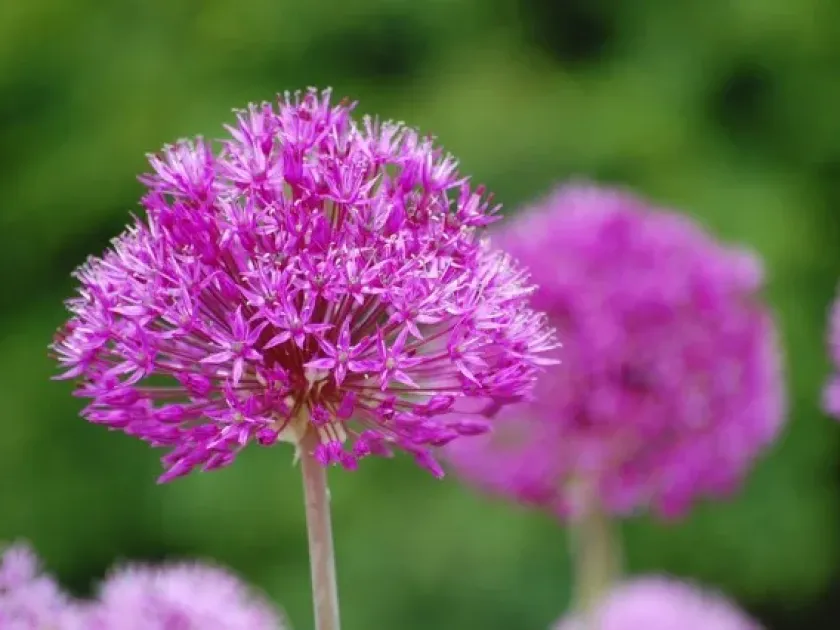
Persian onion (Allium stipitatum) is a perennial bulbous plant belonging to the Amaryllidaceae family. It is widely valued for its tall, dramatic flower spikes that serve as a striking feature in both ornamental gardens and specialized botanical collections.
Planting is most effective during the autumn months, allowing the bulbs to establish a robust root system before the onset of winter dormancy. This timing is critical for ensuring a vigorous bloom in the following spring.
For propagation through seeds, sowings should be performed in early spring in well-prepared, friable soil. Note that seed-grown plants typically require several years of vegetative growth before they reach the maturity necessary for flowering.
When planting bulbs, ensure a depth of 10 to 15 centimeters, which provides sufficient stability and protects the bulb from extreme temperature fluctuations. Space the bulbs roughly 25 centimeters apart to allow for proper air circulation.
Vegetative division is the preferred method for maintaining specific characteristics. This process involves lifting the clumps during the summer dormancy period, separating the bulblets, and replanting them in prepared sites.
Growing requirements
This species thrives in full sunlight. Exposure to direct sunlight is essential for the development of sturdy stalks and the promotion of deep color in the florets, while shaded conditions often result in poor plant performance.
Well-drained soil is the primary requirement for successful cultivation. The species is highly sensitive to waterlogged conditions, which can lead to rapid bulb rot, especially during the plant's dormant summer phase.
Soil texture should be light and sandy or loamy. Amending heavy soils with organic matter or grit can significantly improve drainage and provide the necessary aeration for root health.
Watering should be consistent during the active spring growth period. However, once the flowers fade and the leaves begin to yellow, moisture levels should be significantly reduced to mimic the plant's native arid climate.
Fertilizing with a balanced, low-nitrogen compound is beneficial in early spring as growth initiates. Over-fertilization, particularly with nitrogen, can lead to excessive foliage growth at the expense of floral development.
Main diseases and pests
Downy mildew (Peronospora) is a common threat, particularly in regions with high humidity or poor air circulation. It manifests as discolored lesions on the foliage and can spread rapidly if not managed.
Bulb rot, caused by various soil-borne pathogens, is a significant risk in poorly drained soils. Preventing moisture stagnation is the most effective management strategy for this issue.
The onion fly (Delia antiqua) is a primary pest. Its larvae burrow into the bulbs, causing the plant to wilt and collapse. Monitoring and the use of physical barriers or crop rotation can help mitigate infestations.
Nematodes may also cause stunted growth and deformed leaves. Using certified, pest-free planting stock is the primary method of preventing these infestations from becoming established in the garden.
Regular sanitation, including the removal of dead foliage at the end of the season, reduces the overwintering sites for both fungal spores and insect pests.
Harvesting
The harvest of bulbs should strictly occur during the summer dormancy phase, typically when the foliage has completely withered and turned brown. This ensures the bulbs are in their most stable condition for storage.
After lifting the bulbs, they should be cleaned of soil and dried in a well-ventilated, shaded environment. This curing process helps seal the outer tunics and prevents moisture loss or infection.
For culinary use, the tender, young leaves can be harvested in early spring. It is essential to harvest sparingly to ensure that enough photosynthetic surface remains to fuel the bulb's development for the next season.
Seed collection involves harvesting the dried umbels once they have matured and turned brown. The seeds should be extracted, cleaned, and stored in a cool, dry place to maintain viability.
Proper storage for harvested bulbs requires cool, dry conditions with constant airflow. Avoid high-humidity storage areas, as these will trigger premature sprouting or lead to fungal decay.